Loading...
Loading...
Blog
Deep dives on supply chain orchestration, logistics intelligence, and the AI stack we're building to power the next generation of enterprise operations.
Your TMS, WMS, and ERP — unified, orchestrated, and decision-ready. Reduce Capex, streamline every workflow, and act through chat or voice. Without ripping out a thing. Yours starts here.


Approval chains cost more than premium freight they cost speed, judgment, and AI-readiness.

Mismatched freight invoices, manual rate-checks, and buried disputes cost more than they should. Here's how AI-native freight audit automation closes the gap

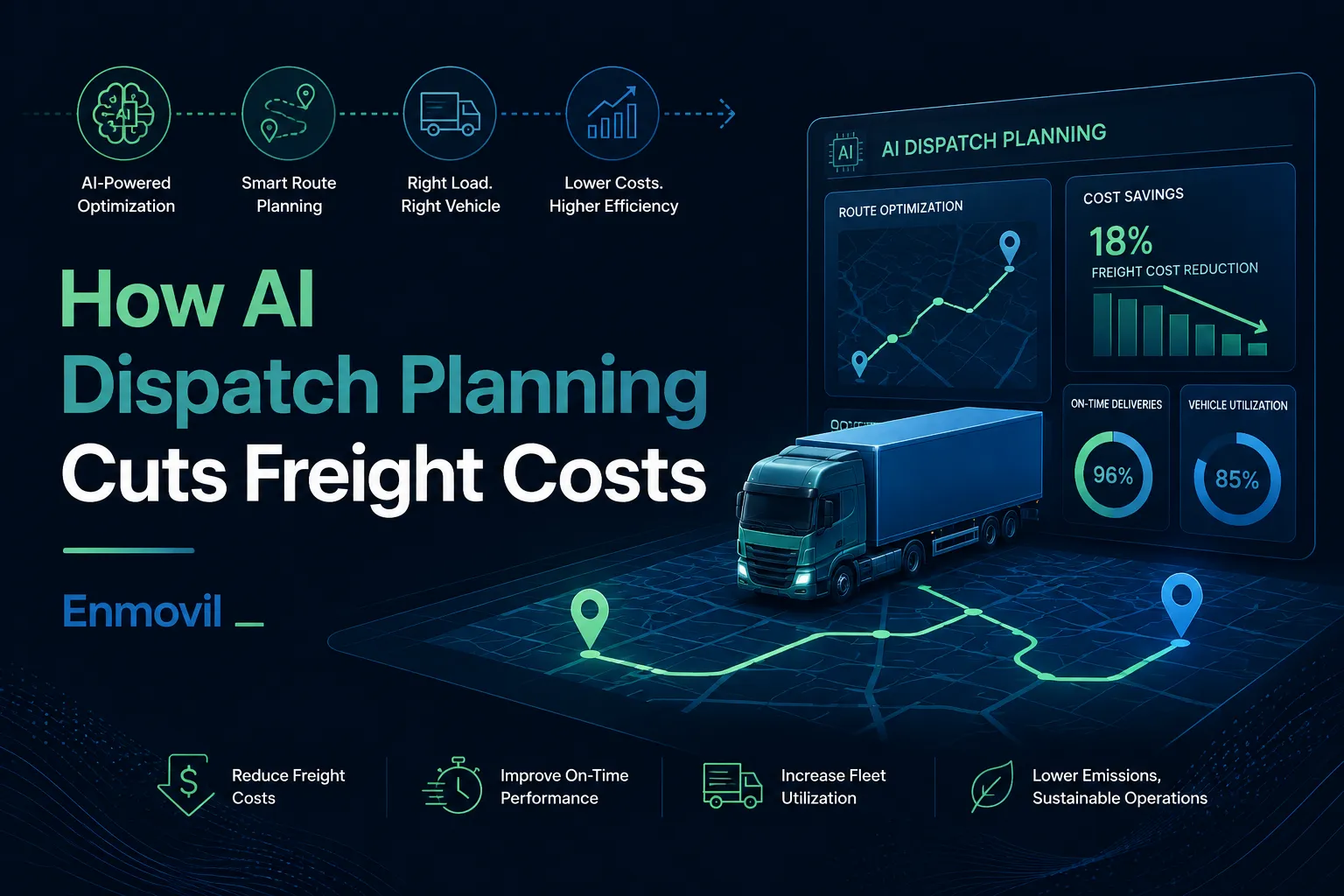
Empty miles and manual routing quietly erode freight budgets. Here's how AI-native dispatch planning closes the gap and what it saves.

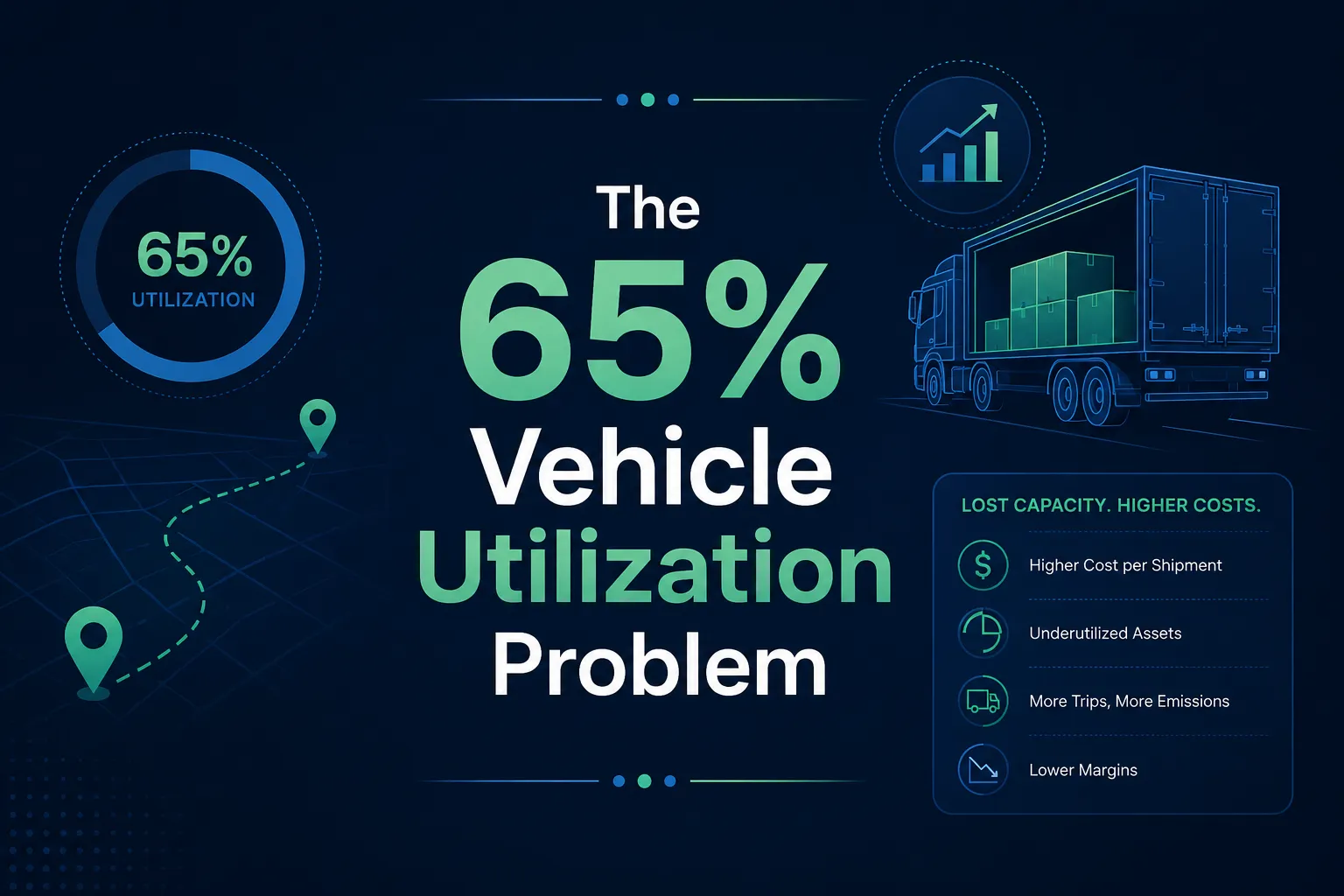
Paying for capacity that sits idle isn't inevitable. Here's what drives vehicle utilization to 65%, what it costs, and what closes the gap.

Every morning, DC managers still guess how many trucks they need. Here's why manual truck planning breaks down at scale, and what an AI-native advisory replaces it with.

Damaged freight isn't random, it's a visibility problem. Here's why most TMS platforms can't explain in-transit damage, and how a smarter layer catches it before delivery.

Manual geofences create blind spots in supply chain visibility. Learn how automated arrival and closure events turn location data into real-time operational control.

At 8:07, a supplier delay sets off hours of meetings before action begins. Enterprises pay premium talent to move information instead of solving problems, here's the cost hiding in plain sight

Multiple GPS vendors, inconsistent IDs, and driver consent gaps quietly break fleet visibility. See how a unified tracking layer closes it.

Your org chart shows who reports to whom ,not who's actually doing the work. Meet the AI workforce: no payroll, no directory listing, growing influence.

Chronic supplier lead-time swings and inconsistent BOM data are quietly undermining inventory planning across manufacturing leading to excess stock, stockouts, and scramble sourcing.

Recent buyer calls reveal a pattern: import, warehouse, and distribution systems rarely share real-time data, leading to detention fees, POD delays, and reactive dispatch planning