How supply chain intelligence works
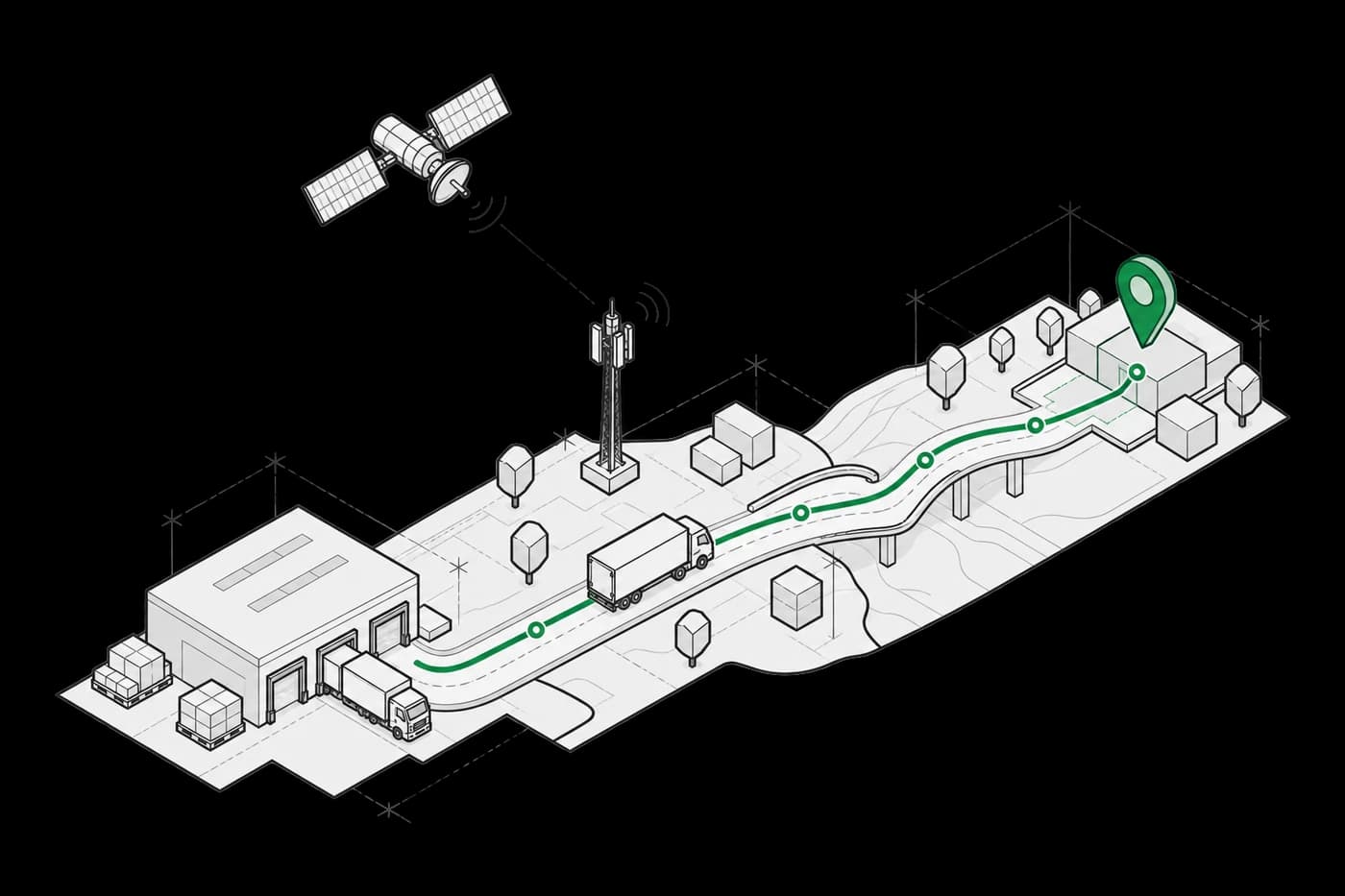
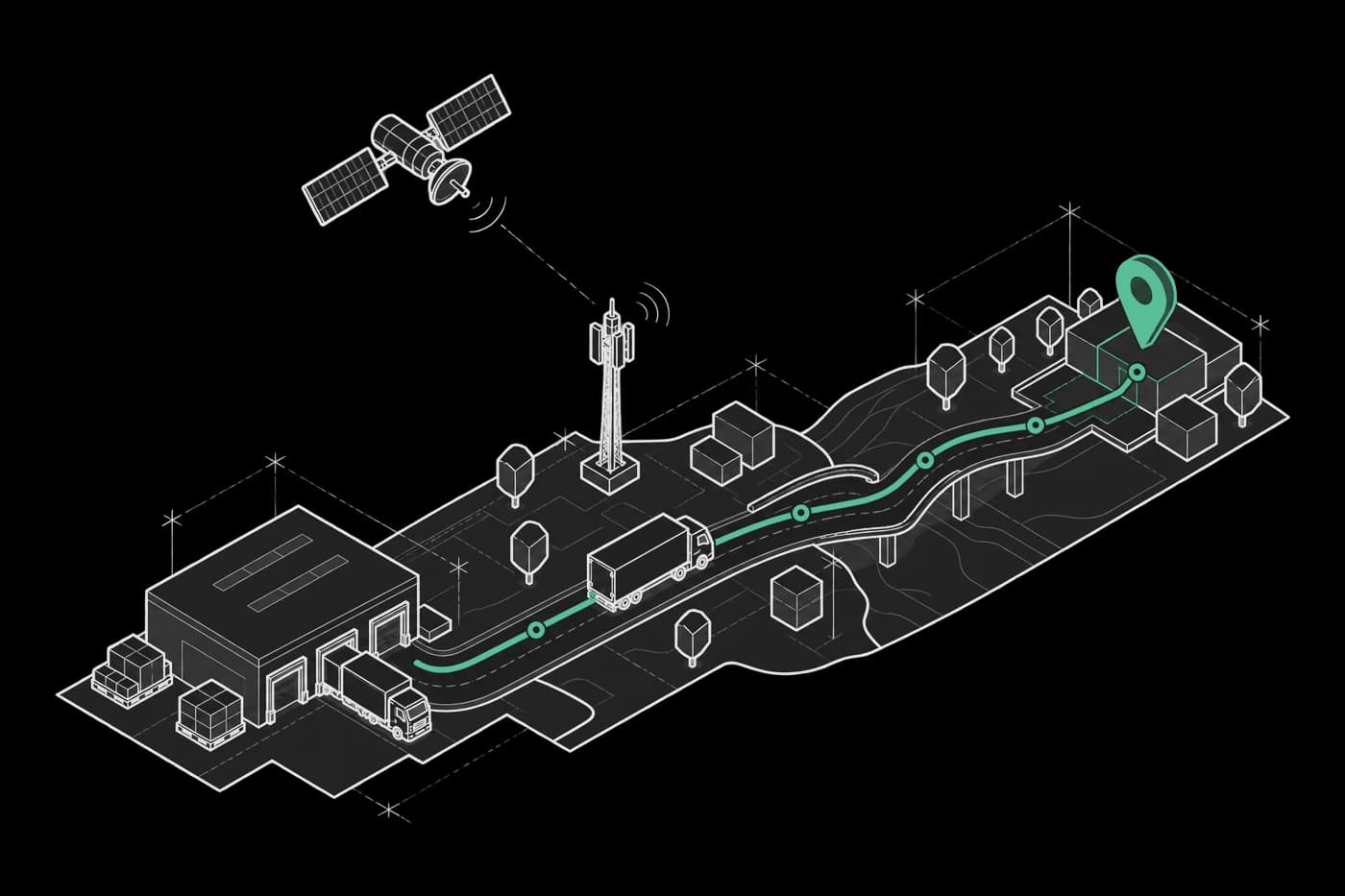
It starts by connecting the systems a business already runs: ERP for orders and stock, TMS for shipments, WMS for warehouse activity, plus telematics, carrier updates and market signals. The data is cleaned and joined so that one order, one truck or one SKU means the same thing everywhere.
Models then forecast, detect exceptions and compare options, and the result is a recommendation a planner can approve or an action a system can take.
Key capabilities
Most platforms group their capabilities into sensing what is coming, planning a response and tracking execution.
- Unified data. One operational view joined across ERP, TMS, WMS, IoT and partner feeds.
- Forecasting. Demand and lead-time predictions that update as new signals arrive.
- Exception detection. Alerts when a shipment, supplier or plant drifts away from plan.
- Scenario analysis. What-if comparisons of cost, service and risk before a decision is made.
- Recommended actions. Ranked next steps with the reasons behind them, ready for approval.
How it differs from reporting and visibility
Reporting tells you what happened last month. Visibility tells you where a shipment is now. Supply chain intelligence adds the next step: what the delay puts at risk, which options exist and which one is best for cost and service.
In practice, a late inbound truck is not just a red dot on a map. It is a production window, a customer order and an expedite cost, weighed together.
Benefits
The value comes from deciding earlier and with fewer handoffs between planning, logistics and finance.
- Earlier warnings. Risks surface while there is still time to replan, not after the customer calls.
- Faster decisions. Options arrive pre-analysed, so teams spend less time gathering data.
- Connected teams. Planning, logistics and finance work from the same numbers.
- Less manual work. Fewer spreadsheets, status calls and email chains to reconcile.
How to choose a supply chain intelligence platform
Check that it connects to the systems you already run rather than replacing them, and that it covers both planning and execution. Ask to see recommendations explained, not only dashboards. For Indian operations, confirm it handles local data such as GST invoices, e-way bills, FASTag and multi-modal tracking. Finally, check whether you can start with one problem and add modules later.
Enmovil
How Enmovil approaches supply chain intelligence
Enmovil is one AI intelligence layer over the ERP, TMS and WMS you already run. Its pipeline connects data from those systems and IoT feeds, reasons over it with its own models, decides by weighing cost, service, risk and capacity, then executes with human-in-the-loop governance. Modules are grouped into Predict, Plan and Execute engines.
CADDIE, Enmovil’s AI agent, sits on top of that layer. Teams ask it questions by chat or voice, and it traces a disruption across shipments, suppliers, plants and customers before recommending a next step with its reasons.
Frequently asked questions
What is supply chain intelligence in simple terms?
Supply chain intelligence means using data from across the supply chain to understand what is happening and decide what to do next. It joins information from ERP, transport, warehouse and partner systems, spots risks such as late shipments or demand changes, and recommends actions such as replanning a load or moving stock between locations.
Is supply chain intelligence the same as supply chain visibility?
No. Supply chain visibility shows where orders, shipments and stock are right now. Supply chain intelligence builds on that visibility by explaining the impact of what it sees and recommending a response. Visibility tells you a truck is late; intelligence tells you which production run or customer order that delay puts at risk and what to do about it.
What data does supply chain intelligence use?
Supply chain intelligence typically uses orders, inventory and production plans from ERP, shipment and carrier data from a TMS, warehouse activity from a WMS, and live signals such as GPS, telematics and partner updates. Some platforms also add external data such as weather, fuel prices or market demand signals to improve forecasts and risk alerts.
Do I need to replace my ERP to use supply chain intelligence?
Usually not. Most supply chain intelligence platforms sit on top of existing ERP, TMS and WMS systems and read data from them through connectors or APIs. The ERP remains the system of record for orders and finance, while the intelligence layer adds forecasting, exception detection and recommendations, and can write approved actions back.
How is AI used in supply chain intelligence?
AI is used in supply chain intelligence to forecast demand and arrival times, detect unusual patterns, compare many scenarios at once and rank the options. Newer platforms add AI agents that let planners ask questions in plain language and trigger approved actions, such as sending a reminder to a transporter or replanning a shipment.