AI demand forecasting software for India
See demand coming. Know what to stock.
Enmovil’s AI demand forecasting software combines sales, distributor offtake and seasonal signals into SKU-level forecasts for inventory, safety stock and replenishment planning across Indian distribution networks.
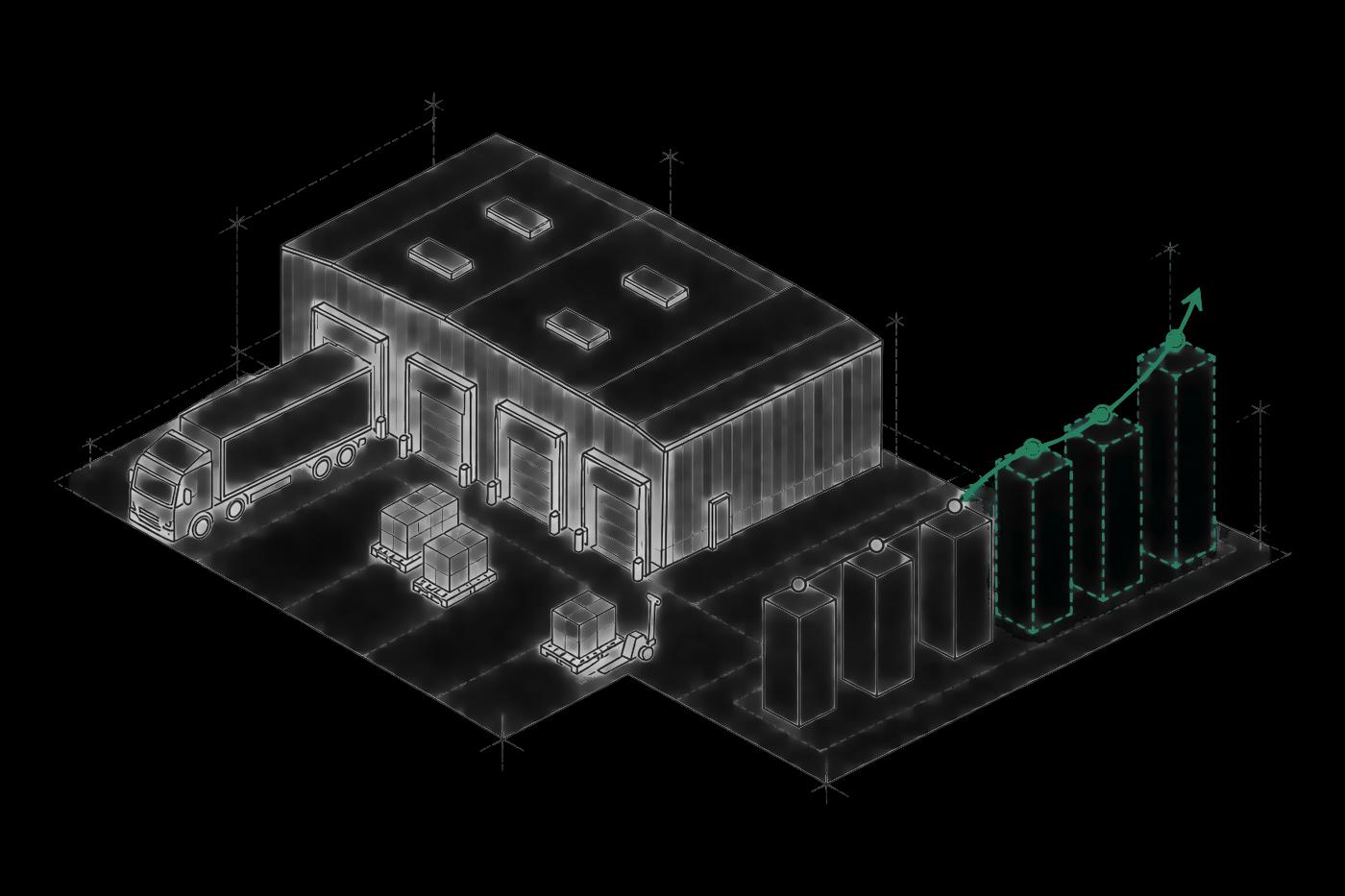
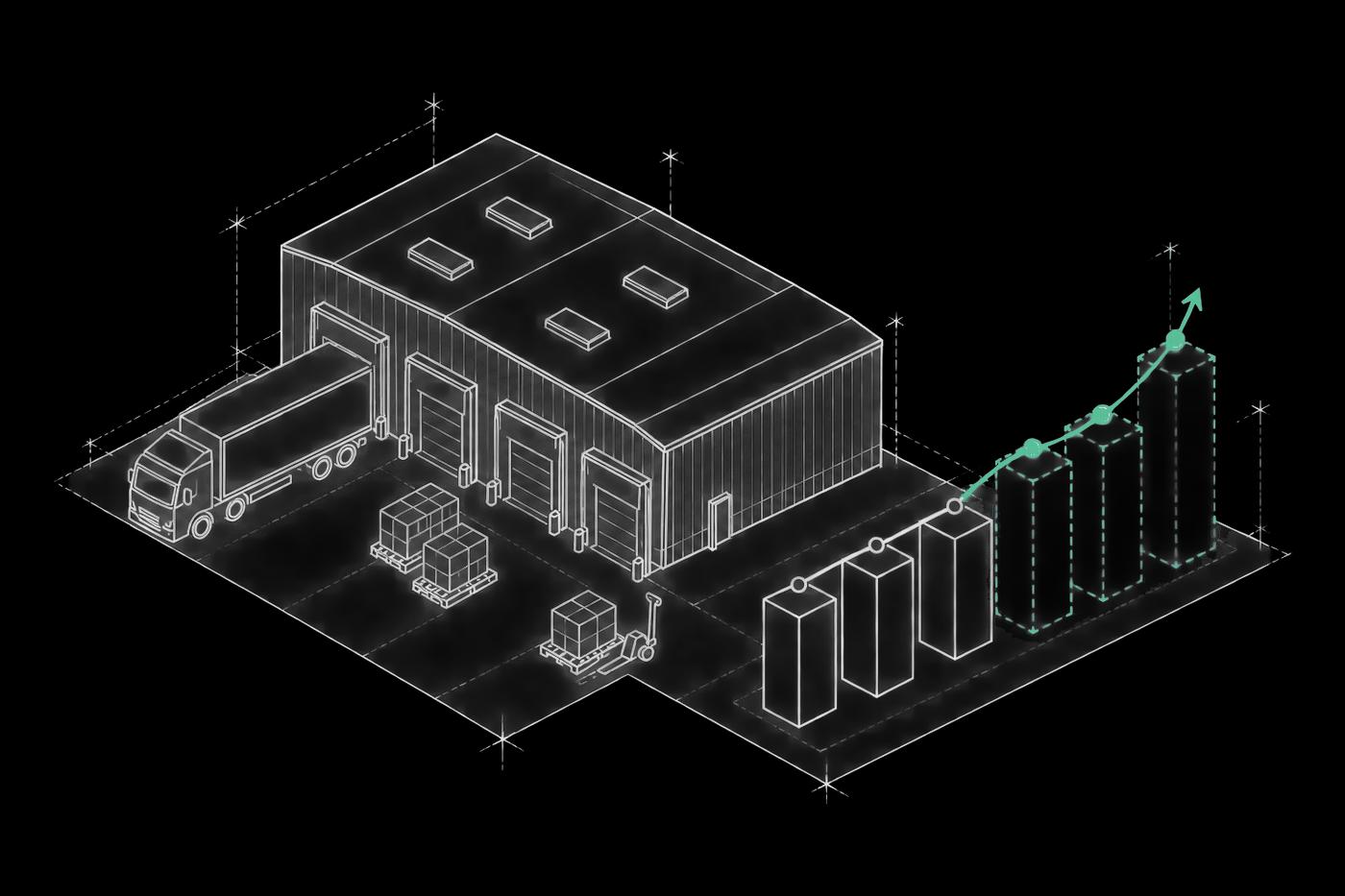
- SKU-level forecasts
- Dynamic safety stock
- Replenishment-ready outputs
Demand & availability
A forecast is only useful if it changes the next stock decision.
Connect what customers consume to what your team orders.
- 01
Look beyond sales orders
Bring distributor offtake and seasonal demand into the same SKU-level view.
- 02
Know where to intervene
Track forecast error and outliers, so planners focus on the exceptions that matter.
- 03
Make the forecast actionable
Translate demand into reorder points, quantities and safety stock.
The planning desk
From demand signals to inventory targets
Validate demand forecasts, then translate them into stock parameters your teams can use.
Understand the stock position
Analyse
Combine consumption history, distributor offtake and regional seasonality at SKU level.
Predict
Validate forecasts against accuracy targets. Flag outliers and track MAPE by SKU and category.
Technical details · capabilities and constraints
- Consumption-Signal Forecasting
- Per-SKU forecasts built on distributor offtake, secondary sales, GST e-invoice volumes, and historical consumption — not top-line sales orders. Lead-time changes factor in automatically.
- So you canForecast on actual market consumption — not on what was ordered before a distributor's inventory build.
- India Seasonality & Demand Pattern Detection
- Monsoon shifts, FMCG festival spikes (Diwali, Eid, regional harvest cycles), and automotive spare parts buffer-building detected per SKU. SKU-level overrides where item patterns differ.
- So you canBuild the right pre-festival buffer without a manual exercise — and release it when demand normalises.
- Self-Validating Forecast Accuracy
- Each forecast validates against a configurable MAPE target before deployment. SKUs outside the band get flagged with a root-cause hypothesis — intermittent demand, NPI, channel mix change.
- So you canSend planner judgment to the SKUs that need it — not spread it across the full catalogue.
- Six Auto-Calculated Stock Parameters
- MOQ, ROP, ROQ, Max, Min, and Safety Stock derived from the current forecast and supply constraints. Bulk-approve parameter updates across flagged SKUs in one action.
- So you canRetire the quarterly parameter review — get a continuous, forecast-driven update procurement can act on now.
- Procurement & Replenishment Handoff
- Recalibrated parameters push to inventory planning when changes cross the approval threshold. Procurement gets notified when ROP shifts affect open POs; full change log per SKU.
- So you canWire the forecast straight into procurement — no manual translation between teams.
Demand planning software — Constraints configured once, applied automatically
Forecast Model Configuration
- Planning horizon (weekly, monthly, rolling)
- MAPE accuracy target per SKU or category
- Model re-fit frequency on new observations
- Intermittent-demand detection and alternate model assignment
External Demand Signal Inputs
- Distributor offtake source and refresh frequency
- Secondary sales channel integration and normalisation
- GST e-invoice demand signal per category
- Festival and monsoon adjustment per SKU or category
Parameter Calculation Rules
- Safety stock methodology — service level vs demand variability
- ROP — forecast consumption × lead time + safety stock
- ROQ — order quantity against holding cost and order frequency
- Max/Min — working capital ceiling and fulfilment floor per criticality
Handoff & Approval Configuration
- Auto-update threshold (e.g. 10% parameter change)
- Bulk-approve workflow for batch parameter refresh
- Procurement notification triggers for open-PO impact
- Audit trail retention per parameter change
Forecasting with CADDIE
Ask before you order
Review forecast misses, demand shifts and stock-parameter changes in plain language.

CADDIE
Forecasting
Your question
Which SKU categories are most off-forecast this month?
CADDIE’s recommendation
Packaged beverages are 31% above forecast, with secondary sales pointing to early Diwali demand. OTC analgesics are 19% below as channel mix changes. Automotive consumables remain within 4% variance.
Exchange 01 of 04
Measure the planning decision
Give planners a decision, not another spreadsheet.
Evaluate the workflow against your own baseline.
- Forecast error and bias
- Stock-parameter drift
- Inventory exposure
Case study · industrials
Scenario-driven demand forecasting and S&OP consensus for a global precision manufacturer
A useful test for your demo
Compare forecast error and bias on your own SKUs. Include slow movers, seasonal peaks and planner overrides, then trace the forecast into a replenishment decision.
Planning questions
Forecasting FAQs
The practical questions, answered. For your systems, sites and operating rules, let’s walk through the details together.
What are demand forecasting tools?
Enmovil's demand forecasting tools are an AI-native forecasting engine that ingests distributor offtake data, secondary sales signals, GST e-invoice demand patterns, and region-specific seasonality inputs — including monsoon demand shifts and FMCG festival demand spikes — and produces SKU-level consumption forecasts with auto-calculated MOQ, ROP, ROQ, and safety stock parameters that planners can act on immediately.
How does Enmovil's demand forecasting software work?
Stage 1: consumption data analysed per SKU across distributor offtake, secondary sales, GST e-invoice signals, and region-specific seasonality. Stage 2: ML forecast self-validates against a configurable MAPE target — SKUs outside the band get flagged with root-cause hypotheses. Stage 3: six stock parameters derive from the validated forecast and push to inventory planning, with procurement notified on any in-flight PO impact.
How does AI demand forecasting handle seasonal and festival demand spikes?
Enmovil detects FMCG festival spikes (Diwali, Eid, regional harvest cycles), monsoon dips, and automotive spare parts buffer-building — and folds them into SKU-level forecasts automatically. Seasonal adjustments apply at category level with SKU overrides where patterns differ. Secondary sales data gives early-warning signals primary orders haven't reflected yet.
What is MAPE improvement in ML demand forecasting?
MAPE is tracked per SKU, category, and portfolio. Each forecast self-validates before deployment — SKUs that miss the target get flagged for review, not pushed to replenishment. Intermittent-demand SKUs run on alternate models designed for irregular consumption, not averaged alongside high-velocity FMCG items.
What is Caddie AI in demand forecasting tools?
Caddie is the AI layer inside Enmovil's forecasting platform. It reads live forecast accuracy bands, consumption shifts, and distributor offtake signals — and answers in plain language. Surfaces off-forecast categories, identifies at-risk SKUs before a festival peak, calculates updated ROP and safety stock, and pushes revised parameters with procurement notification.
How should we evaluate demand forecasting software?
Test forecasts against historical periods the model has not seen. Compare forecast error and bias by SKU, location and demand pattern, including intermittent and seasonal products. Check how planners review exceptions and how an approved forecast changes inventory or replenishment decisions.
Inventory Management
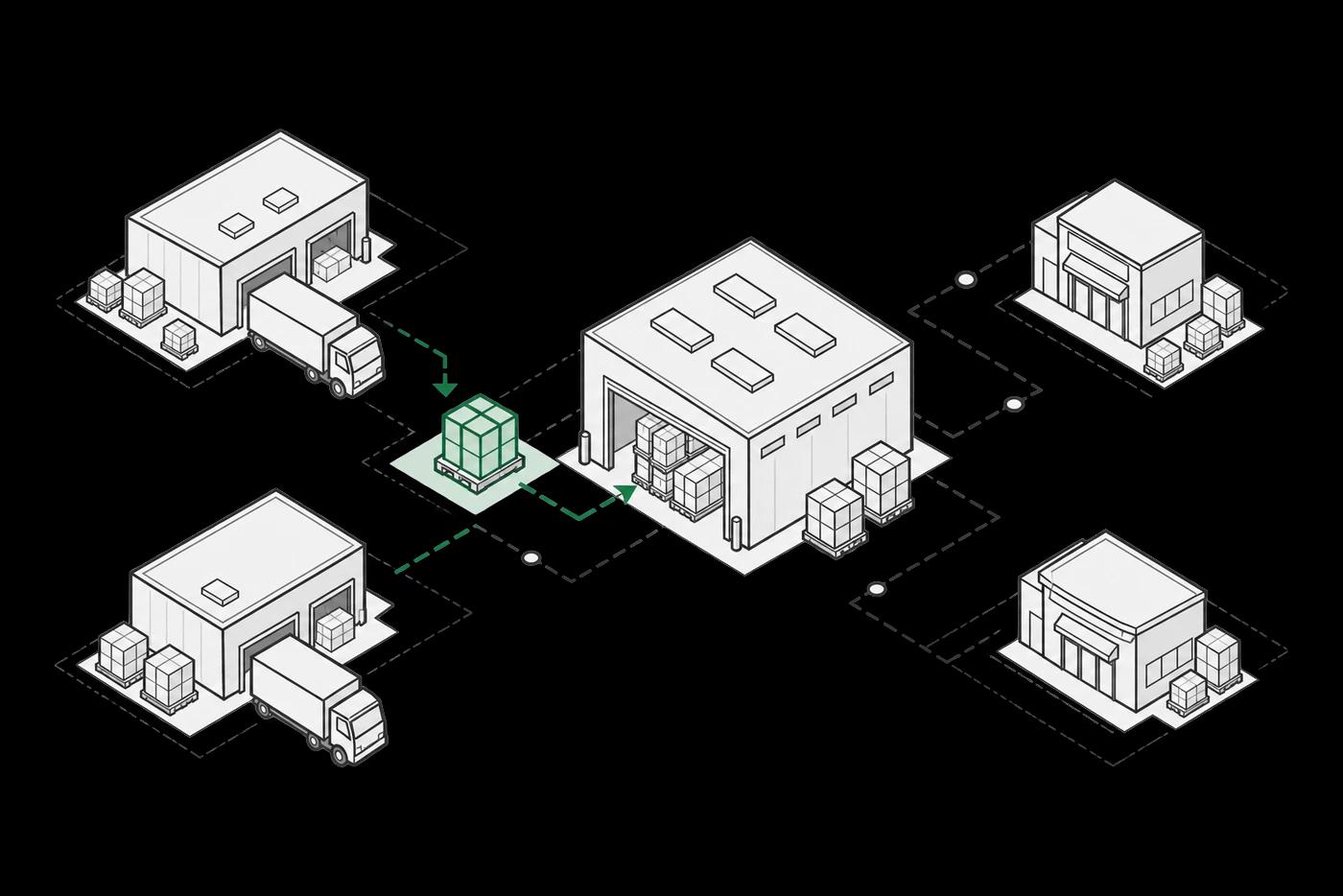
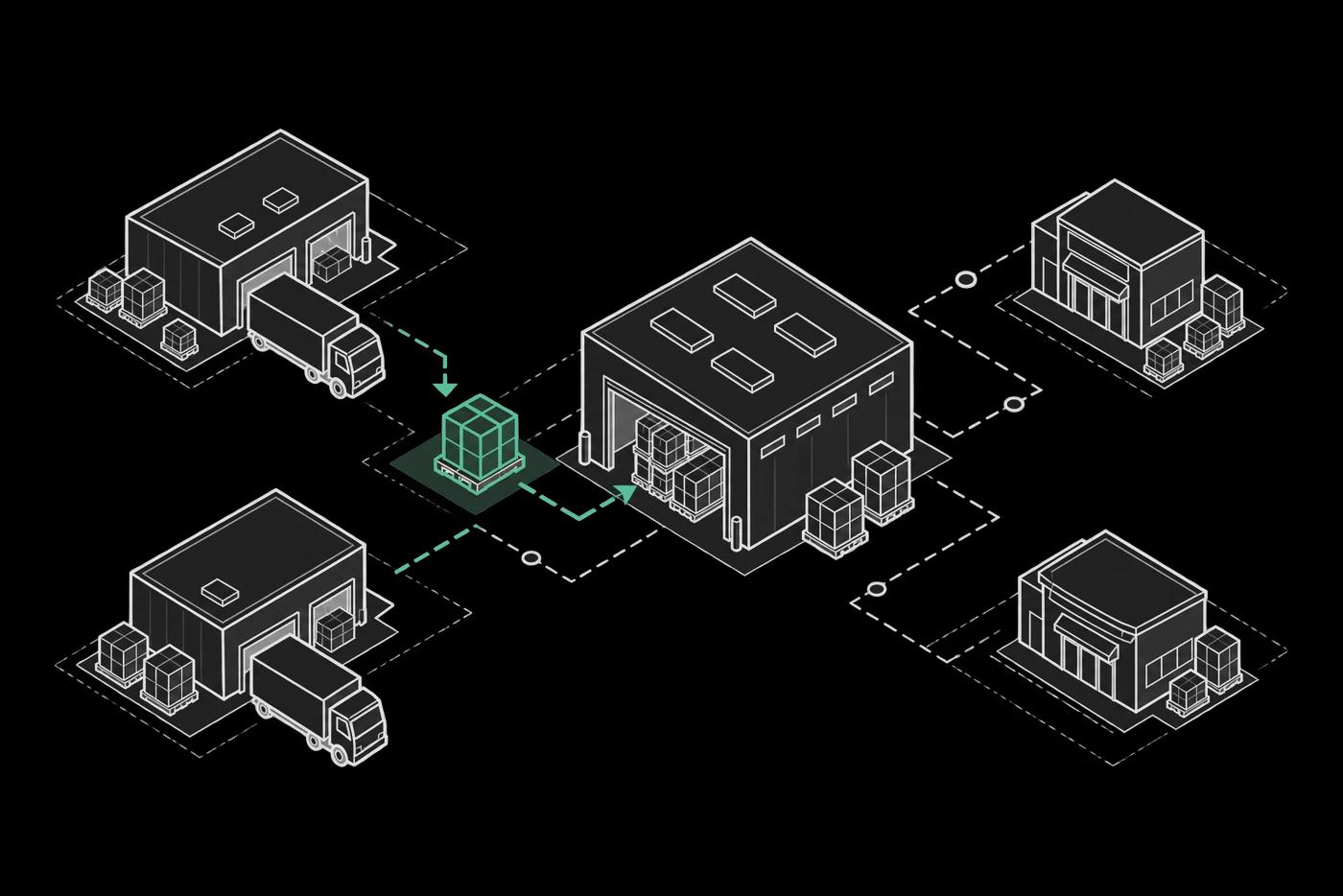
See the whole network before placing the next order.
Explore solution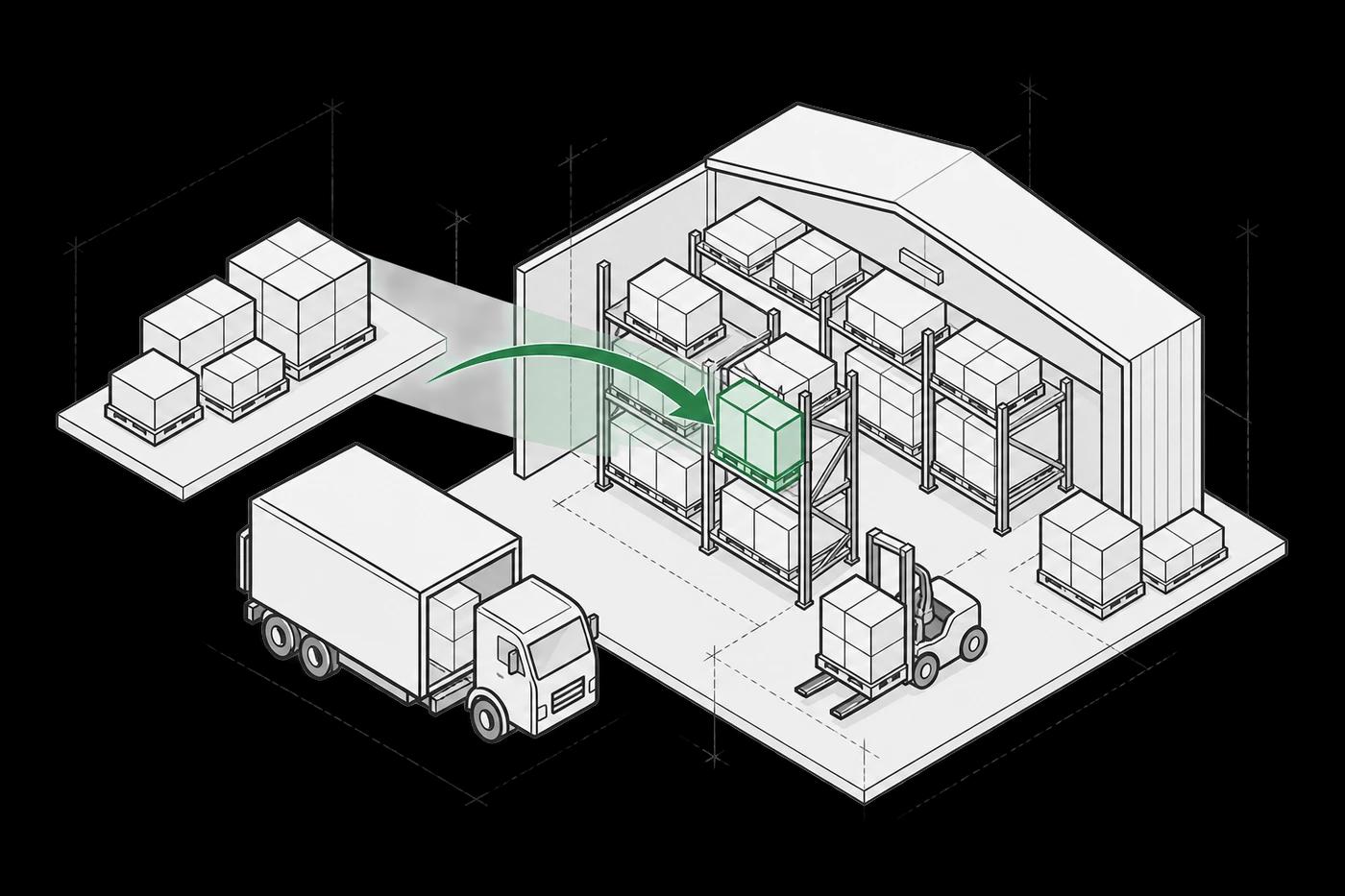
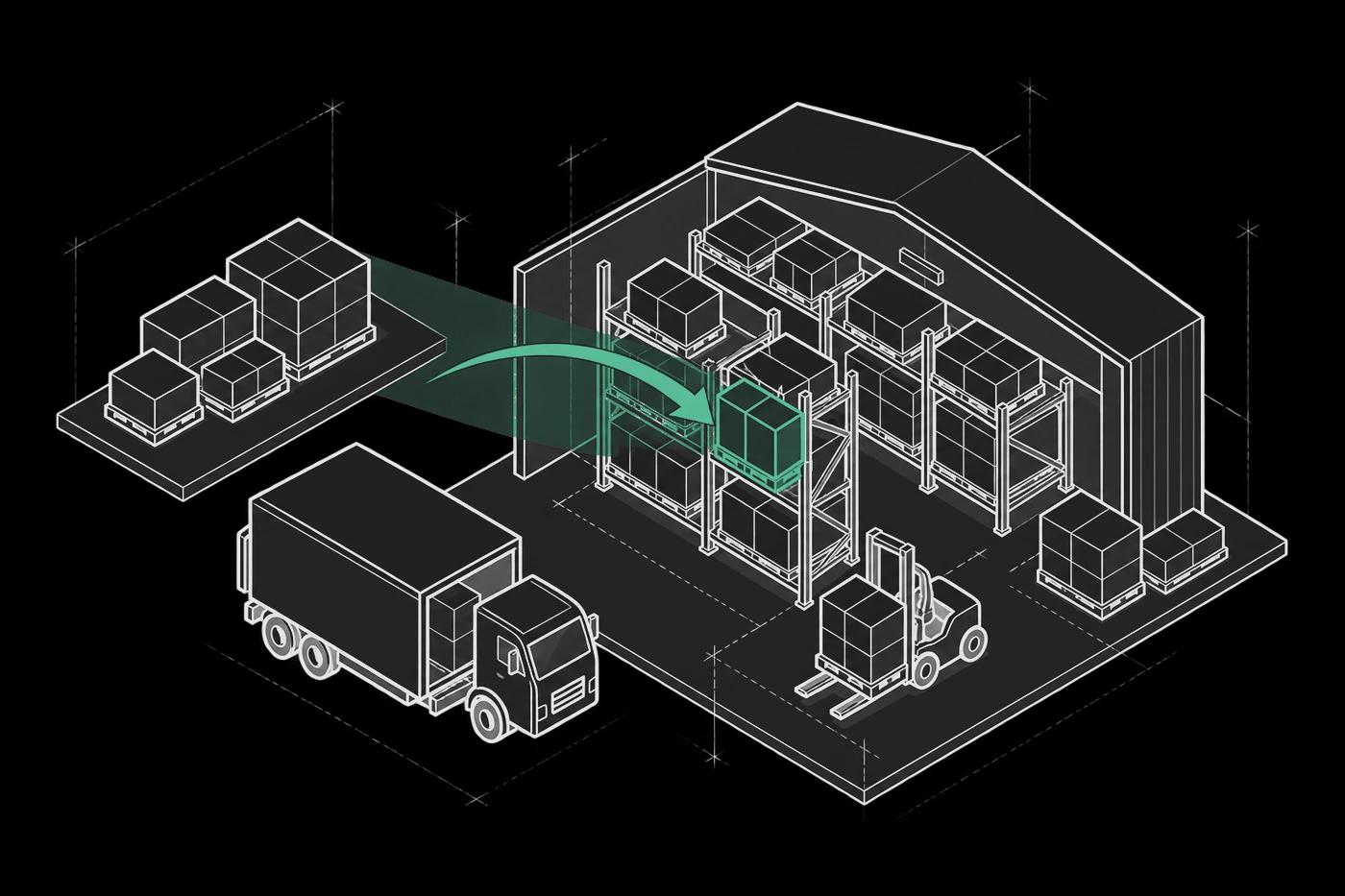
Warehouse Management
Connect receiving, storage and fulfilment in one warehouse workflow.
Explore solution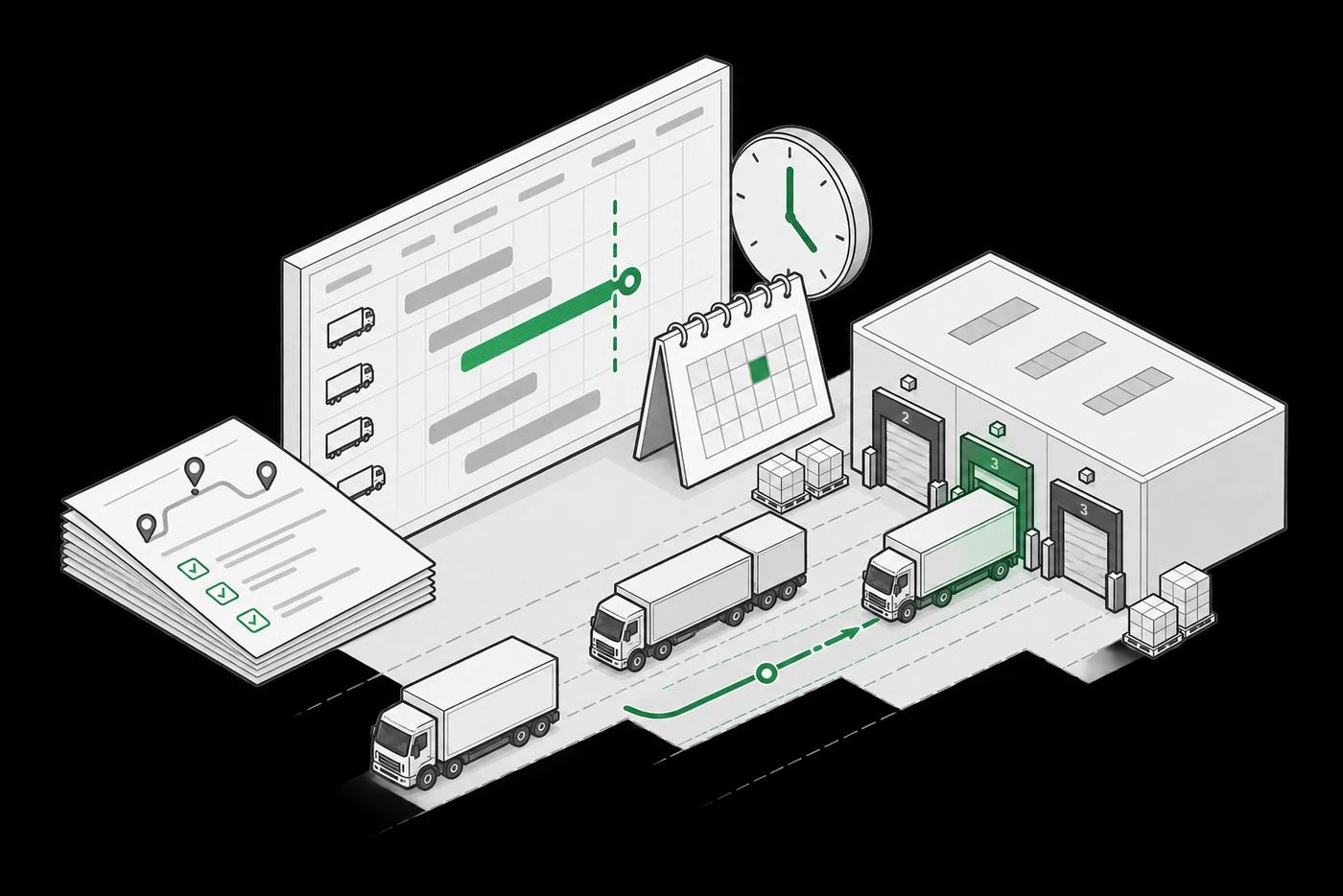
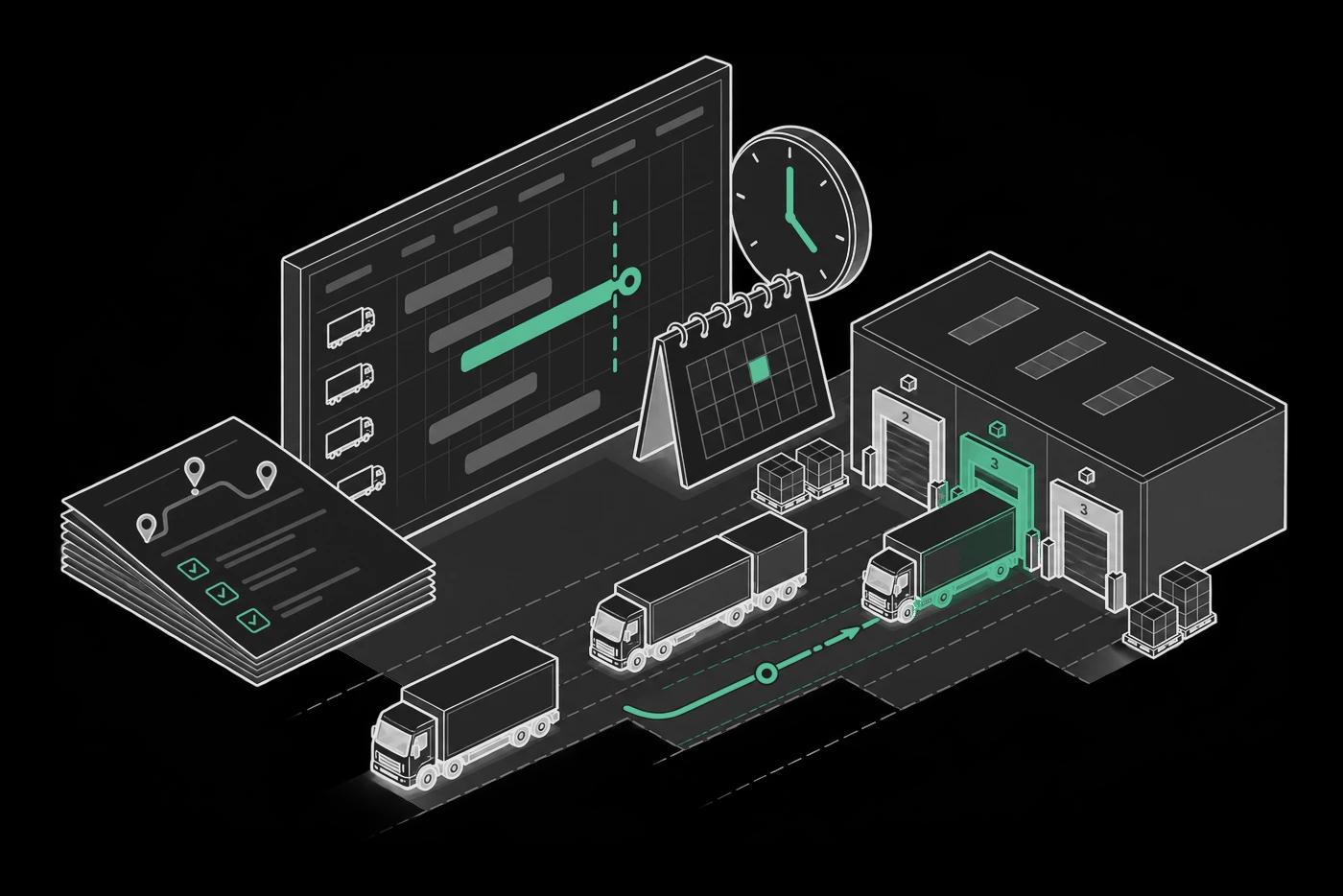
Dispatch Planning
Compare cost, capacity and service before releasing a dispatch plan.
Explore solution
Looking for the fundamentals? What is demand forecasting in supply chain?
See your next stock decision take shape.
Explore forecasting around your data, operating rules and priorities. Tell us where you want to start.