Replenishment planning & inventory management software for India
Stock in the right place. Before it runs short.
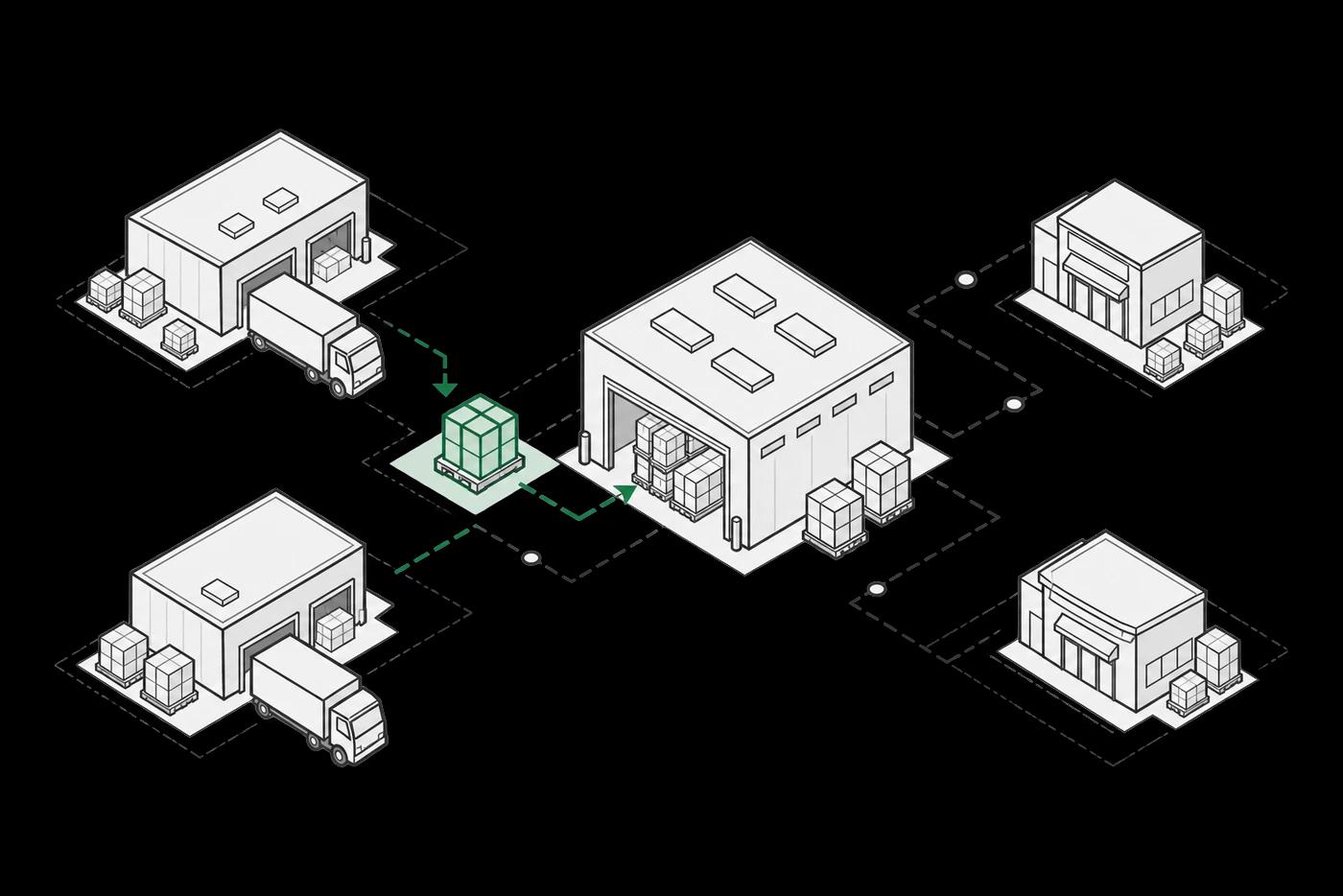
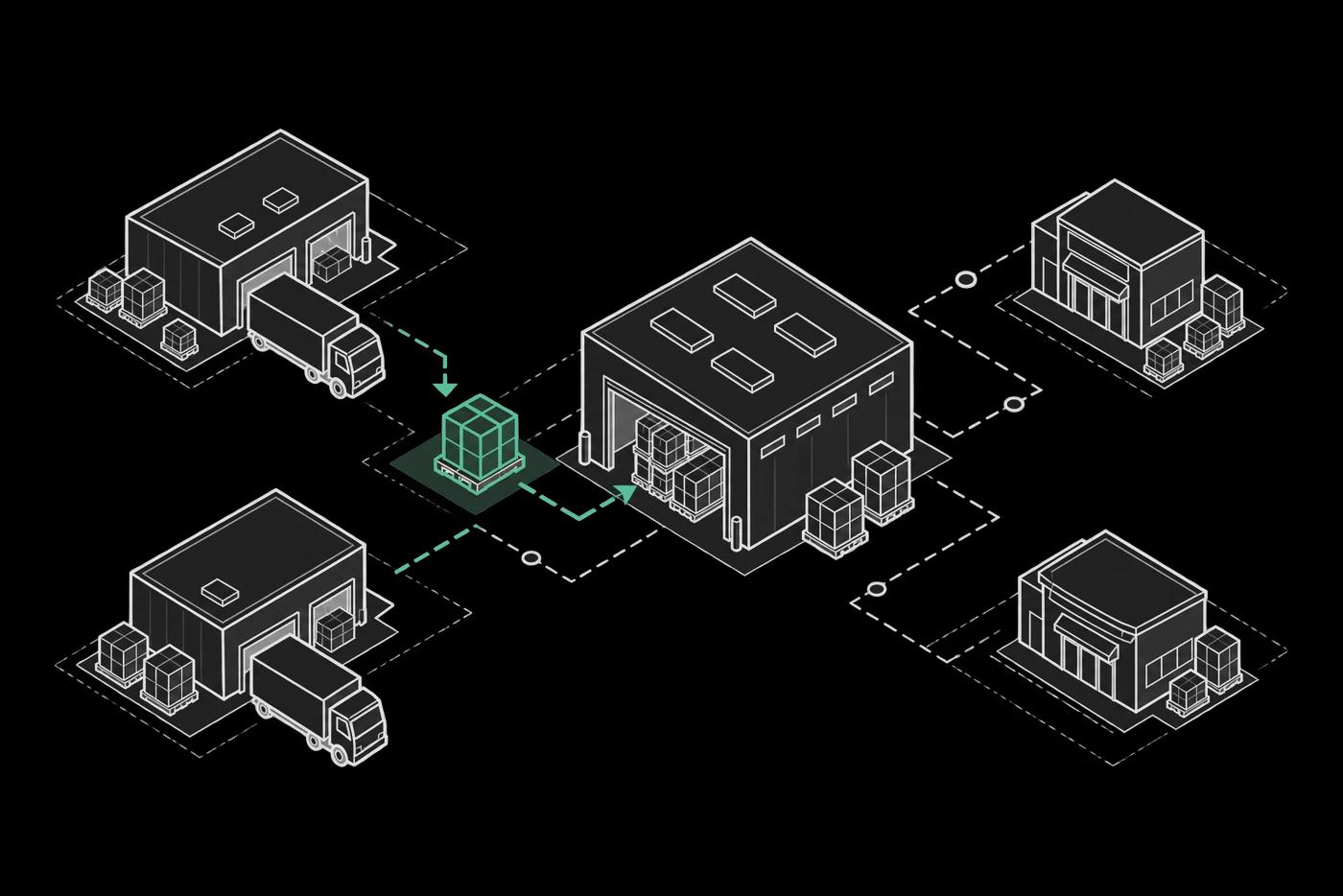
Enmovil’s inventory management and replenishment planning software combines forecasts, stock and supplier lead times across plants, CFAs and DCs in India to recommend transfers or orders, with safety stock and approval rules built in.
- SKU / location planning
- Transfer-first recommendations
- Approval-led replenishment
Demand & availability
Short in one warehouse. Surplus in another. The same SKU.
See the whole network before placing the next order.
- 01
See net availability
Connect on-hand stock, open orders and demand across plants, CFAs and DCs.
- 02
Check surplus first
Surface transfer opportunities before committing to another purchase order.
- 03
Replenish with control
Apply safety stock, lead times and approval rules to each recommendation.
The planning desk
Check stock. Calculate need. Replenish.
Plan per SKU and location, checking network surplus before a purchase order and applying configured approval rules.
Understand the stock position
Track
Monitor current stock, open orders and net availability across plants, CFAs and distribution centres.
Calculate
Recalculate reorder points and safety stock using demand, lead times and seasonal variability. Check surplus first.
Technical details · capabilities and constraints
- Live Multi-Location Stock Tracking
- Current, PO, SO, and net stock per SKU across every node — plant, CFA, regional DC, distributor — updated continuously. ROP and safety stock breach alerts fire on threshold.
- So you canSee the full network stock position in real time — not in yesterday's ERP extract.
- Dynamic Safety Stock Calibration
- Per-SKU safety stock on demand variability, service-level target, and lead time — not padded uniformly. Monsoon patterns, FMCG festival buffers, and CFA offtake fluctuations fold in automatically; recalibrates when variability shifts.
- So you canCarry the safety stock each SKU actually needs — and release capital trapped in uniform buffers on low-variability items.
- Transfer-Before-PO Network Balancing
- Before raising a PO, the engine scans every node for surplus covering the shortfall — transfer recommendation includes source, quantity, transfer cost, and a side-by-side against supplier PO cost and lead time.
- So you canRecover inventory value from stock at the wrong node — instead of buying more from a supplier.
- Automated Replenishment Order Generation
- Replenishment quantities calculate at ROP breach on current stock, open PO, forecast demand, and lead time — dispatched to WMS or ERP with procurement notification. Configurable: fully automatic on standard SKUs, approval-required on high-value items.
- So you canTake manual PO-raising off the planner's day — focus procurement review on the exceptions that need judgment.
- Non-Moving Inventory Detection
- SKUs with zero consumption across a configurable look-back (30/60/90 days) flagged network-wide. Total value quantified, open POs surfaced. Action workflow: redistribute, clearance, or hold.
- So you canAct on stuck inventory before it ages further — and stop buying more of what is not moving.
Auto replenishment planning — Constraints configured once, applied automatically
Stock Parameter Configuration
- Max stock and ROP per SKU or group
- Safety stock methodology — service-level target vs variability coefficient
- Lead time per supplier and per lane
- SKU criticality tier and associated service-level target
Network & Transfer Rules
- Transfer-before-PO threshold for transfer vs supplier order
- Eligible transfer-source nodes for multi-location balancing
- CFA and distributor stock norms per region
- Transfer cost per lane for cost-vs-PO comparison
Demand Variability & Seasonality Inputs
- Monsoon pattern adjustment by category and region
- FMCG festival buffer rules (Diwali, Eid, regional cycles) per SKU
- Secondary sales offtake source and refresh frequency
- Channel inventory norms for CFA and distributor tiers
Approval & Automation Configuration
- Auto-replenishment threshold (order value, SKU tier)
- Approval-required workflow for high-value or strategic items
- Procurement notification triggers and escalation rules
- Non-moving SKU look-back and action workflow
Replenishment with CADDIE
Ask before you order
Find stock imbalances, transfer opportunities and replenishment orders that need attention.

CADDIE
Replenishment
Your question
Which regions have the biggest inventory imbalance right now — surplus one place, shortfall another, same SKUs?
CADDIE’s recommendation
West has the largest imbalance: ₹62 lakh surplus at Pune CFA and ₹41 lakh shortfall at Mumbai DC across 8 beverage SKUs. North has 3 pharma SKUs at risk; South is broadly balanced.
Exchange 01 of 04
Measure the planning decision
Protect availability. Put existing stock to work.
Evaluate the workflow against your own baseline.
- Stockout exposure
- Transfer opportunities
- Inventory holding
Case study · fmcg
Reducing stockouts 60–70% and cutting inventory holding cost 25–30% for a D2C health brand
A useful test for your demo
Test a stock-out risk at one location alongside surplus at another. Check whether the recommendation accounts for in-transit stock and variable supplier lead times.
Planning questions
Inventory Management FAQs
The practical questions, answered. For your systems, sites and operating rules, let’s walk through the details together.
What is replenishment planning software?
Enmovil's replenishment planning software is an AI-native inventory replenishment system that ingests live stock positions, distributor inventory norms, secondary sales offtake, and CFA stock norms across their network's distribution network — and produces automatically-sized replenishment orders with dynamic safety stock calibrated for Indian demand variability, monsoon and festival buffer requirements, and multi-echelon network balancing, posted directly to your WMS or ERP without manual calculation.
How does Enmovil's automatic replenishment software work?
Stage 1: live stock (current, PO, SO, net) tracked per SKU across every node with ROP alerts at breach. Stage 2: reorder points and safety stock recompute on demand history, lead time, and India variability — monsoon patterns, FMCG festival buffers — with transfer-first logic checking network surplus before any PO. Stage 3: order dispatched to WMS or ERP with procurement notification and full audit trail.
What is transfer-before-PO logic in replenishment planning?
At an ROP breach, Enmovil's engine checks every network location for surplus before raising a supplier PO — and produces a transfer recommendation with source, quantity, cost, and ETA versus the PO alternative. Stops the common FMCG and automotive scenario where an emergency PO goes out while the same SKU sits idle at a surplus CFA.
How does auto replenishment planning handle seasonal demand variability?
Dynamic safety stock folds in FMCG festival buffers (Diwali, Eid, regional harvest cycles), monsoon consumption dips, and secondary sales offtake fluctuations — calibrated per SKU to its actual variability. Pre-festival buffers build automatically, then release back to normal when seasonal demand normalises.
What is Caddie AI in replenishment planning software?
Caddie is the AI layer inside Enmovil's replenishment platform. It reads live stock — ROP alerts, network imbalances, non-moving inventory by CFA, open PO status — and answers in plain language. Identifies the largest imbalances, calculates what a transfer covers versus what needs a PO, quantifies non-moving CFA stock, and places PO holds or clearance flags from the conversation, all logged for audit.
Can replenishment be planned separately for each location?
Yes. Replenishment planning uses each location’s demand, available stock, incoming orders and lead times to recommend quantities and timing. Enmovil also checks surplus elsewhere in the network before raising a purchase order, so a transfer can be considered alongside a new purchase.
Forecasting
Connect what customers consume to what your team orders.
Explore solution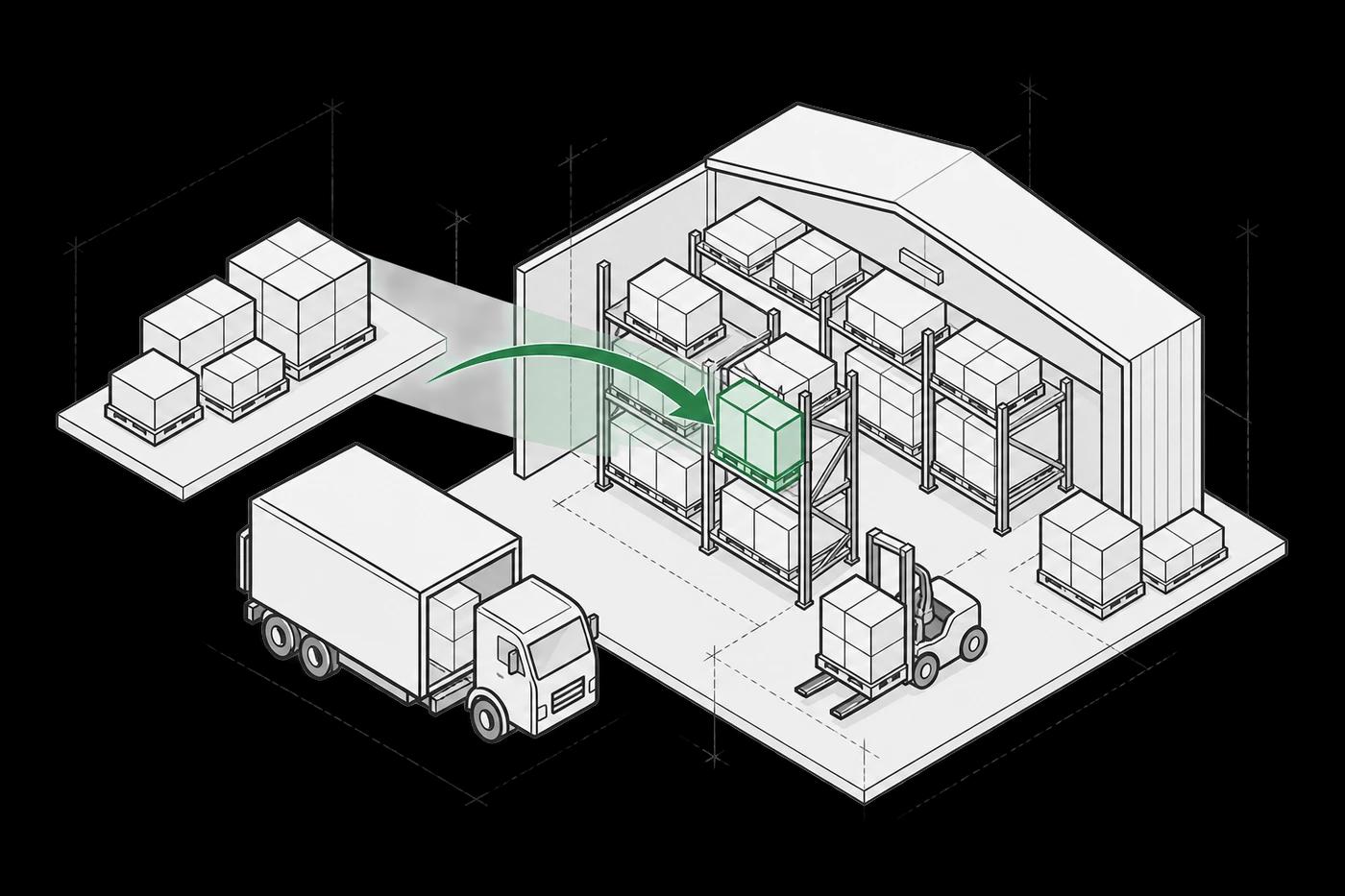
Warehouse Management
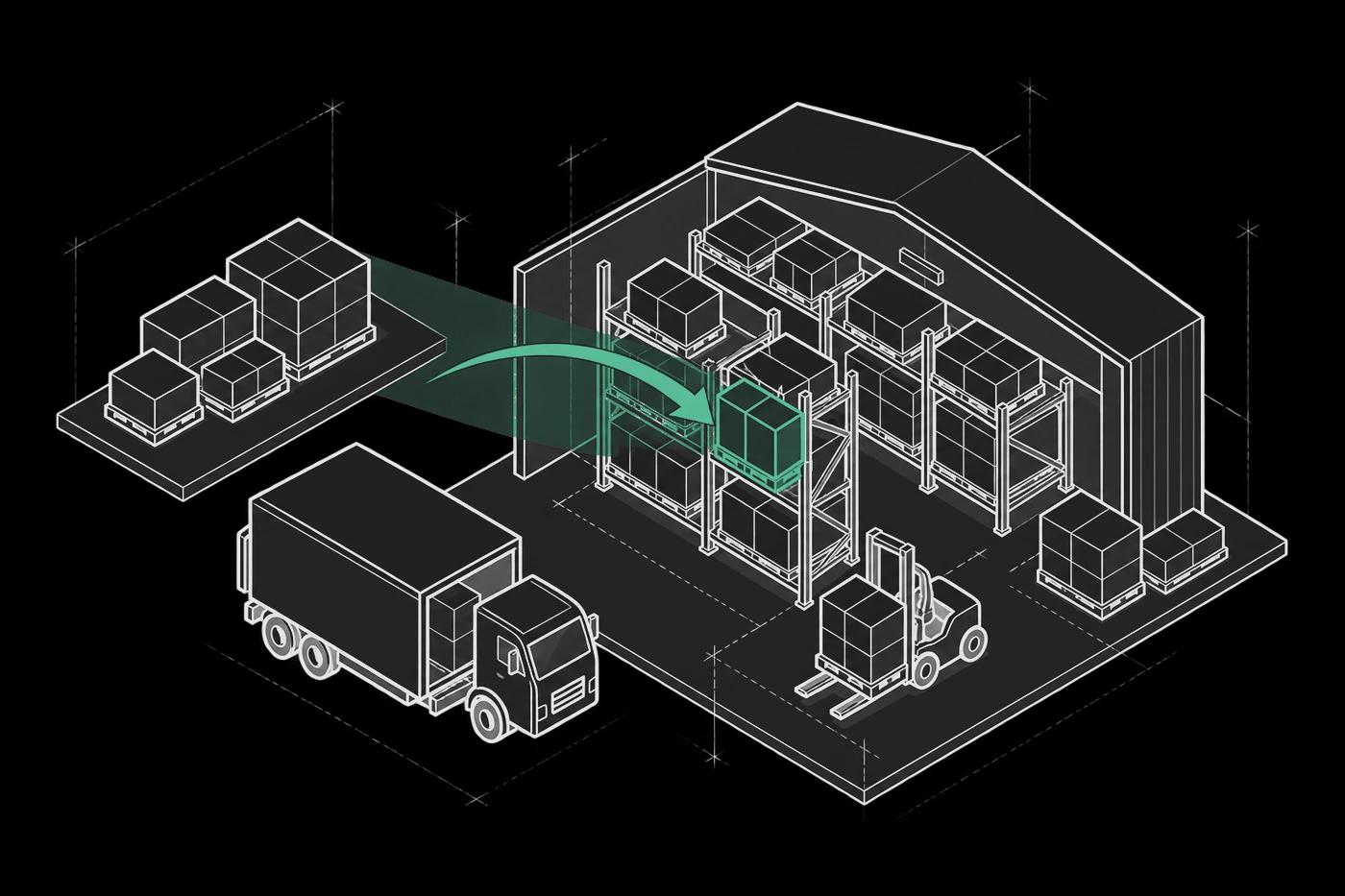
Connect receiving, storage and fulfilment in one warehouse workflow.
Explore solution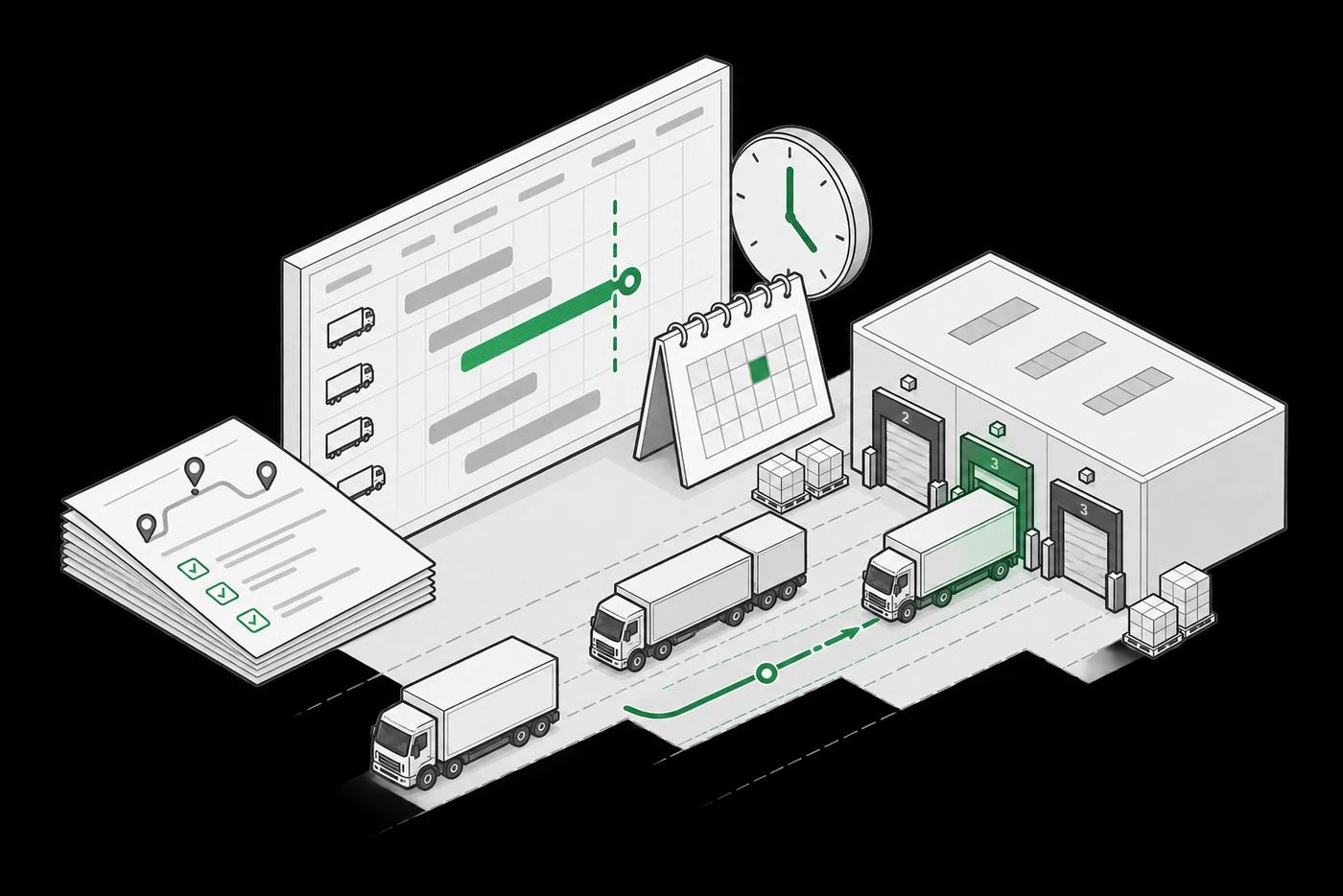
Dispatch Planning
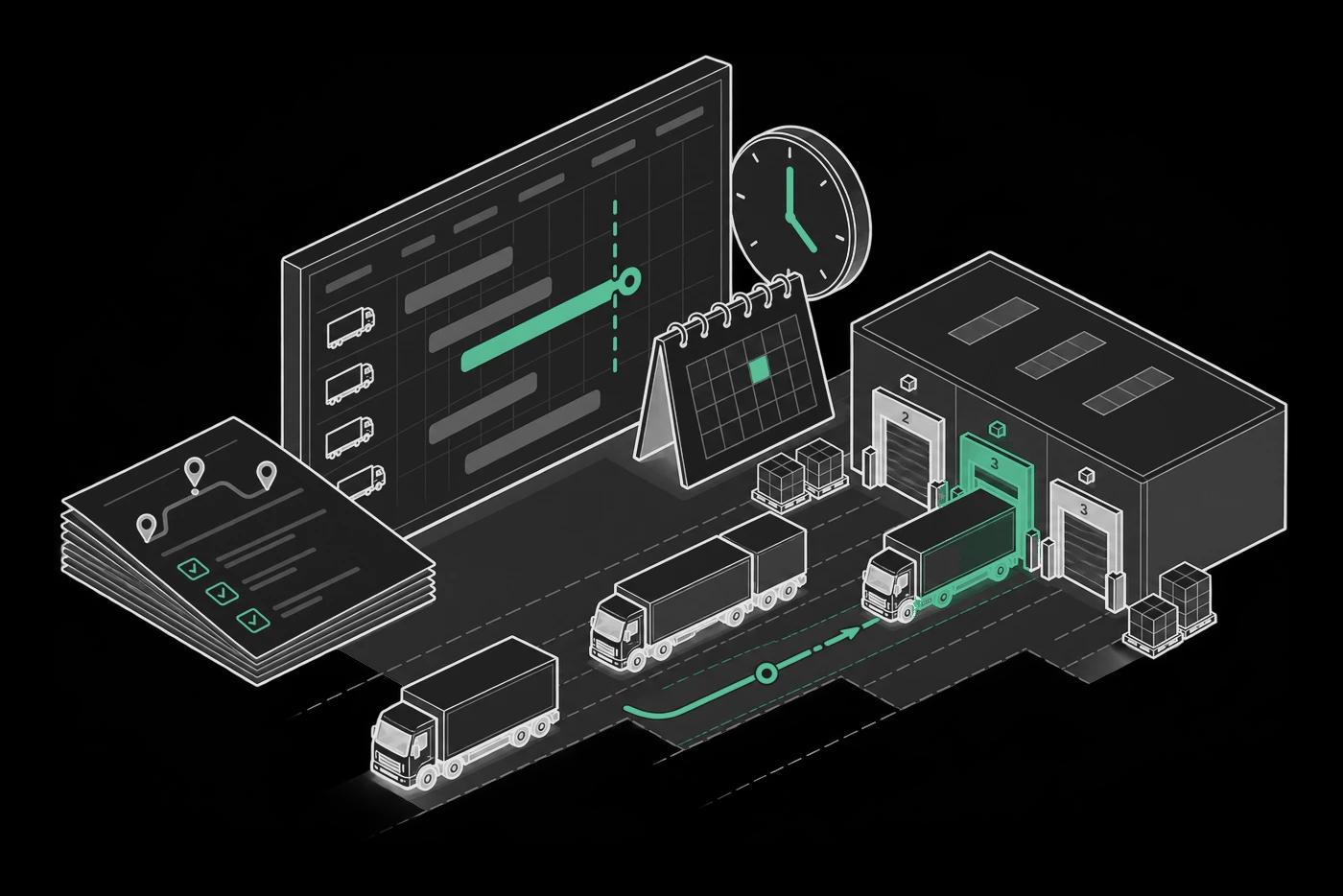
Compare cost, capacity and service before releasing a dispatch plan.
Explore solution
Looking for the fundamentals? What is demand forecasting in supply chain?
Find the next move for your inventory.
Explore inventory management around your data, operating rules and priorities. Tell us where you want to start.