Fleet sizing & fleet mix optimization software for India
Enough capacity to deliver. The right mix to do it.
Enmovil’s fleet sizing and allocation software matches shipment demand to vehicle capacity by lane across India. Compare dedicated, contracted and spot options before committing transport resources.
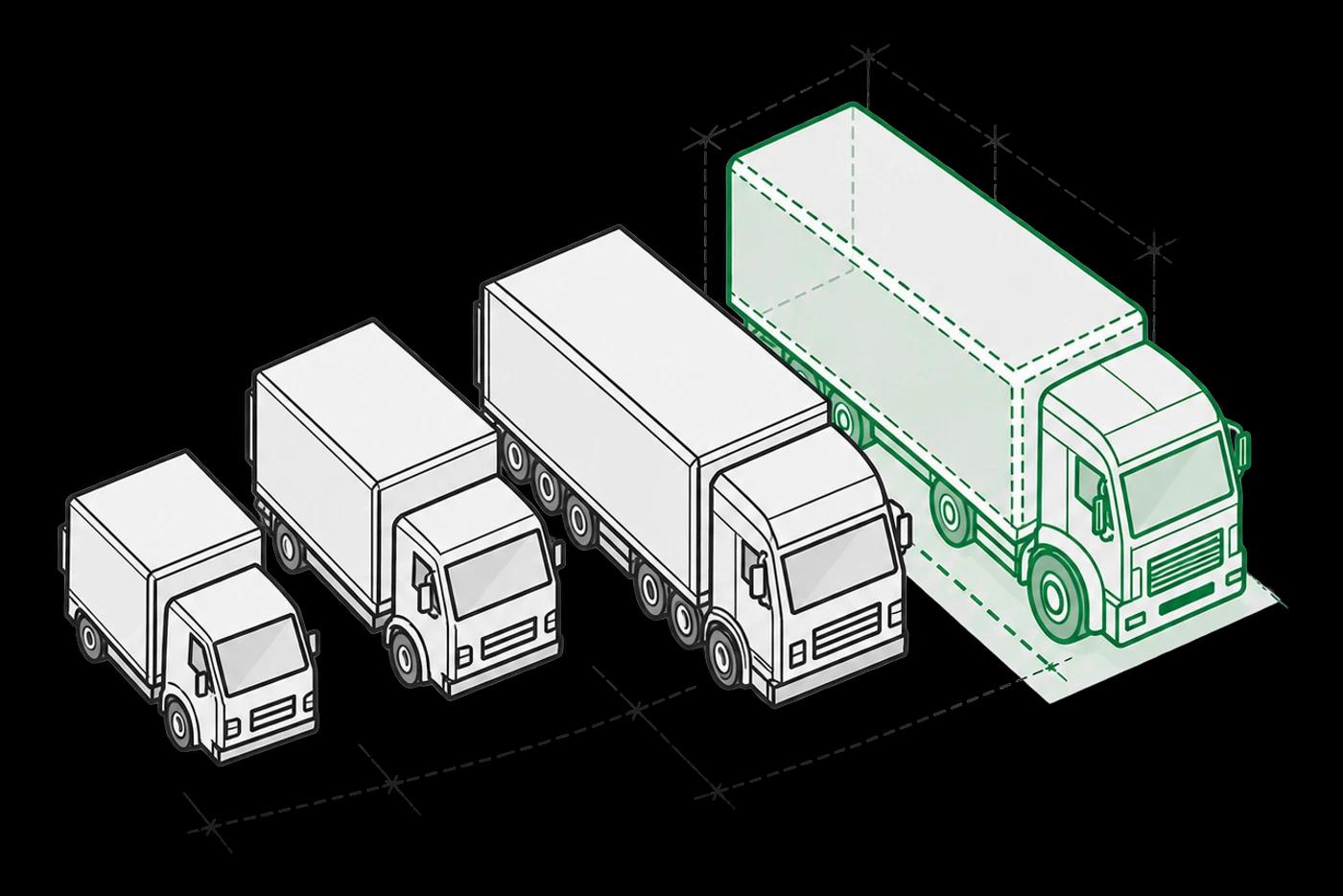
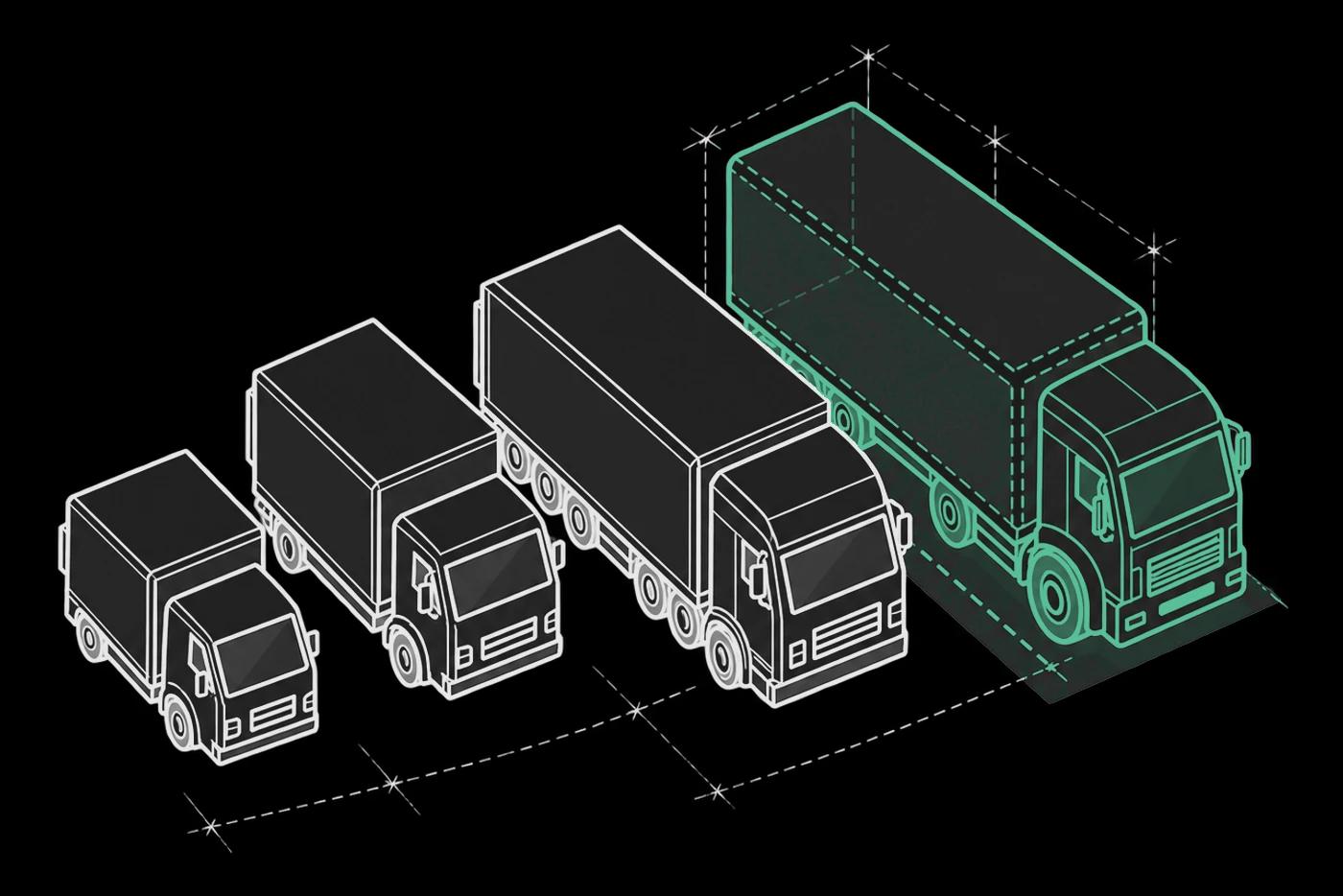
- Lane-level requirements
- Vehicle mix planning
- Capacity allocation
The transport trade-offs
Idle contracted trucks. Expensive spot hires. The same day.
Size the fleet against demand before committing transport capacity.
- 01
Start with the lane
Review shipment volumes, transit times and consolidation opportunities by origin and destination.
- 02
Match the vehicle to the work
Check capacity, axle limits and availability against each lane requirement.
- 03
Make the fleet mix deliberate
Allocate dedicated, contracted and spot capacity as a shared dispatch baseline.
Inside the transport plan
Match the fleet to the work ahead.
Build a demand-led mix of dedicated, contracted and spot transport capacity.
The plan, made visible
Match demand to the right capacity tier
Technical details · capabilities and constraints
- Network & Route Optimisation
- Best route plan across a multi-node network — shipments consolidated, routes sequenced, mode and carrier matched per lane, including multi-yard to multi-dealer routes with interim stops.
- So you canConsolidate into fewer, fuller trips planned against your network's real structure.
- Multi-Point Load Clubbing
- Combines pickups across nodes into higher-utilisation trips using geo- and SLA-aligned drop-point clustering for dealer networks, CFA clusters, and urban distribution.
- So you canMove more per trip — fewer vehicles, fewer empty miles, no axle load breach.
- Fleet Decisioning & Carrier Allocation
- Shipment demand allocated Dedicated → Contract → Spot in priority order, with a spot tender workflow for carrier bidding when spot is required.
- So you canUse contracted fleet first, spot only when structurally necessary — auditable tender workflow per lane.
- Vehicle Mix Selection
- Right trailer or vehicle type per shipment on capacity, route constraints, axle load norms, and load characteristics. BS6 compliance per unit; spot-rate comparison picks the best FTL when contract capacity is exhausted.
- So you canMatch the right vehicle to the right load on every lane.
- Fleet Capacity Waterfall
- Demand allocated in priority — dedicated first, contract next, spot last — each tier checked against availability, permit/fitness status, and lane suitability before escalation.
- So you canStop running idle contracted vehicles alongside expensive spot hires.
Fleet capacity planning — Constraints configured once, applied automatically
Network Inputs
- Plants & manufacturing units
- Warehouses & distribution centres
- Regional depots
- Dealer & retail networks
Demand Data Sources
- Historical shipment demand by lane
- Lane-wise movement data and frequency
- Vehicle utilisation records (AIS 140 GPS)
- Route distance, cost structures, and ERP/TMS integration
India Compliance
- AIS 140 GPS mandate tracking per vehicle
- FASTag transit time data via ULIP integration
- Axle load norms and overloading penalty avoidance
- BS6 vehicle compliance flag
- Permit and fitness renewal status per fleet unit
- VAHAN database cross-reference
Optimisation Controls
- Dedicated → Contract → Spot waterfall sequence
- Multi-point load clubbing and geo-clustering
- Lane-wise VFR floor enforcement
- Spot tender automation and rate comparison
Fleet Sizing with CADDIE
Question the plan
Find under-resourced lanes, expiring capacity and opportunities to rebalance the fleet.

CADDIE
Fleet Sizing
Your question
Which lanes are under-resourced against this quarter's demand forecast?
CADDIE’s recommendation
Six lanes are under-resourced. North-Central contracted capacity covers 61% of projected demand. West Coast loses three dedicated vehicles from Week 8; the remaining gaps may be covered through load clubbing.
Exchange 01 of 04
Validate it on your lanes
Plan the capacity before a shortage plans it for you.
Evaluate the workflow against your own baseline.
- Capacity gaps
- Fleet utilisation
- Spot dependency
A useful test for your demo
Compare a typical week with peak demand. Review utilisation, service coverage and the cost of idle capacity against the cost of spot vehicles.
Before you dispatch
Fleet Sizing & Allocation FAQs
The practical questions, answered. For your systems, sites and operating rules, let’s walk through the details together.
What is fleet management software?
Enmovil's AI-native fleet management software for India analyses lane-wise shipment demand, VAHAN-verified vehicle data, AIS 140 GPS utilisation records, and FASTag movement history via ULIP — producing a structured capacity plan that determines your dedicated, contract, and spot fleet mix across every plant, warehouse, depot, and dealer network node, before dispatch planning begins.
How does Enmovil fleet sizing and capacity planning work?
Three stages: analyse (historical shipment volumes, AIS 140 GPS records, FASTag transit data, lane cost structures), determine (capacity requirements, vehicle mix against axle load norms and BS6 compliance, carrier needs per O-D pair), plan (a structured baseline by tier — dedicated, contract, spot — per lane). The Dedicated → Contract → Spot waterfall runs every cycle.
What is the Dedicated → Contract → Spot waterfall in fleet capacity planning?
The waterfall allocates lowest-cost tier first — dedicated on highest-frequency lanes, contract for volume above dedicated availability, spot only when both are exhausted. Spot runs through an automated tender collecting bids and picking the lowest-cost compliant carrier — replacing ad-hoc calls with an auditable process.
How does Enmovil fleet optimization software handle compliance and regulatory requirements?
AIS 140 GPS mandate, BS6 status, and permit/fitness renewal timelines tracked per vehicle via VAHAN integration — expiry risks flagged before allocation. FASTag transit data via ULIP benchmarks lane performance. Axle load norms applied during vehicle mix selection clear overloading penalty risk before plan confirmation.
What is Caddie AI in Enmovil fleet management software?
Caddie reads live lane requirements, fleet allocation, spot procurement data, FASTag transit history, and vehicle lease and compliance timelines — answering in plain language. Identifies under-resourced lanes, surfaces lease expiry risks, models consolidation opportunities, compares spot and contract costs in ₹ terms, and updates the dispatch baseline directly.
Is fleet sizing the same as fleet tracking?
Fleet sizing decides how much transport capacity is needed and which vehicle types or sourcing options fit the demand. Fleet tracking shows where vehicles or shipments are during execution. Historical utilisation and movement data can inform sizing, while the resulting capacity plan supports dispatch planning.
Dispatch Planning
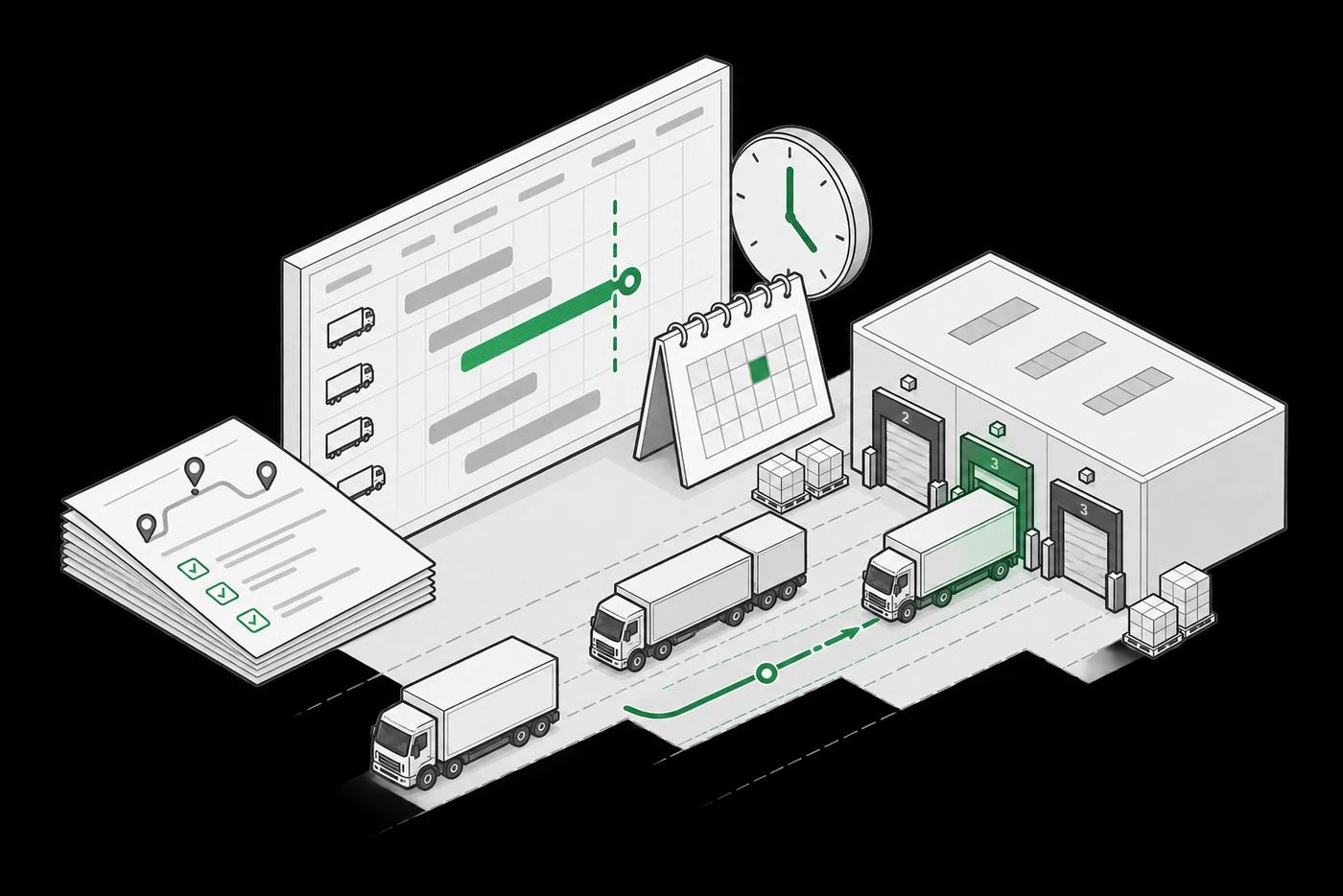
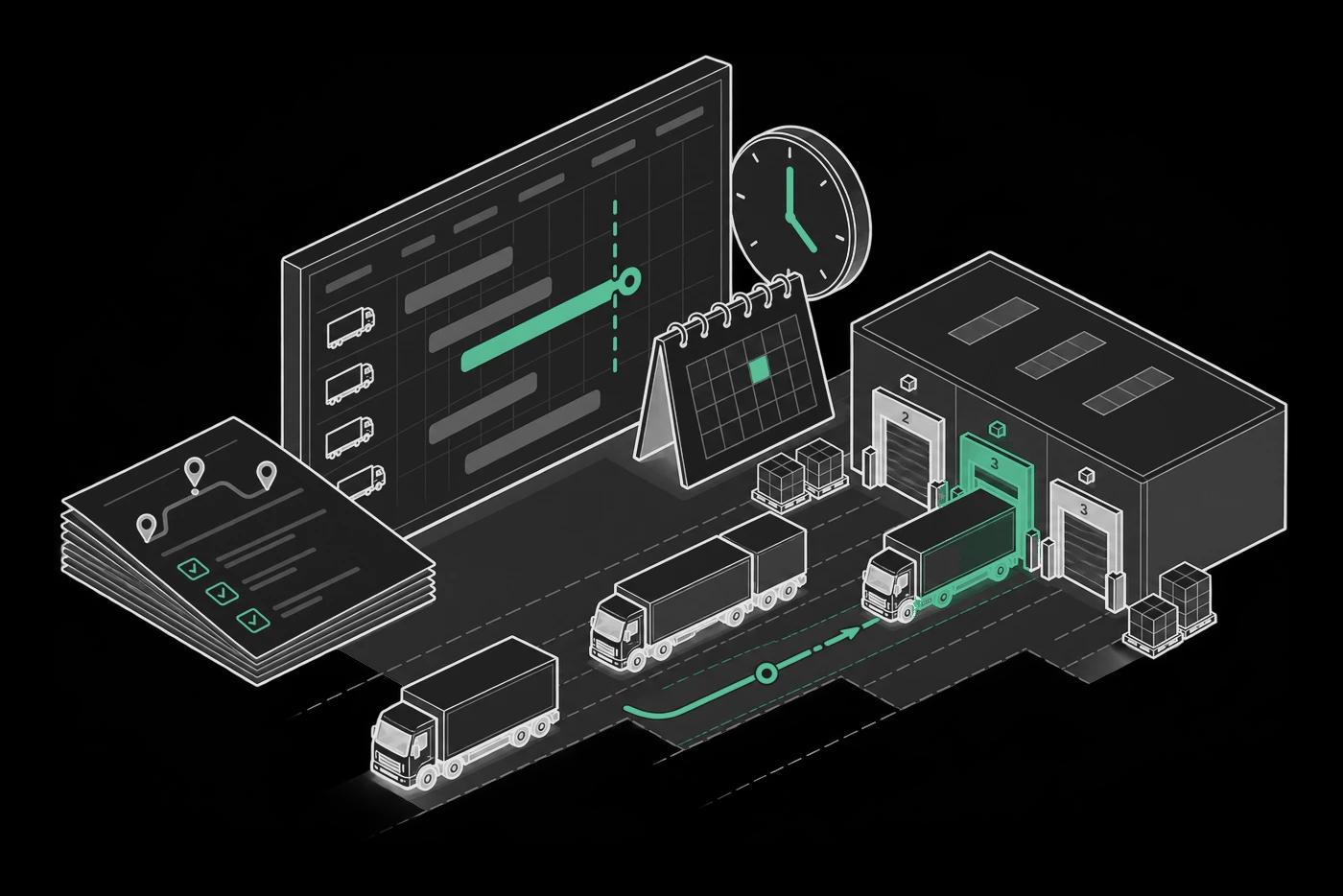
Compare cost, capacity and service before releasing a dispatch plan.
Explore solution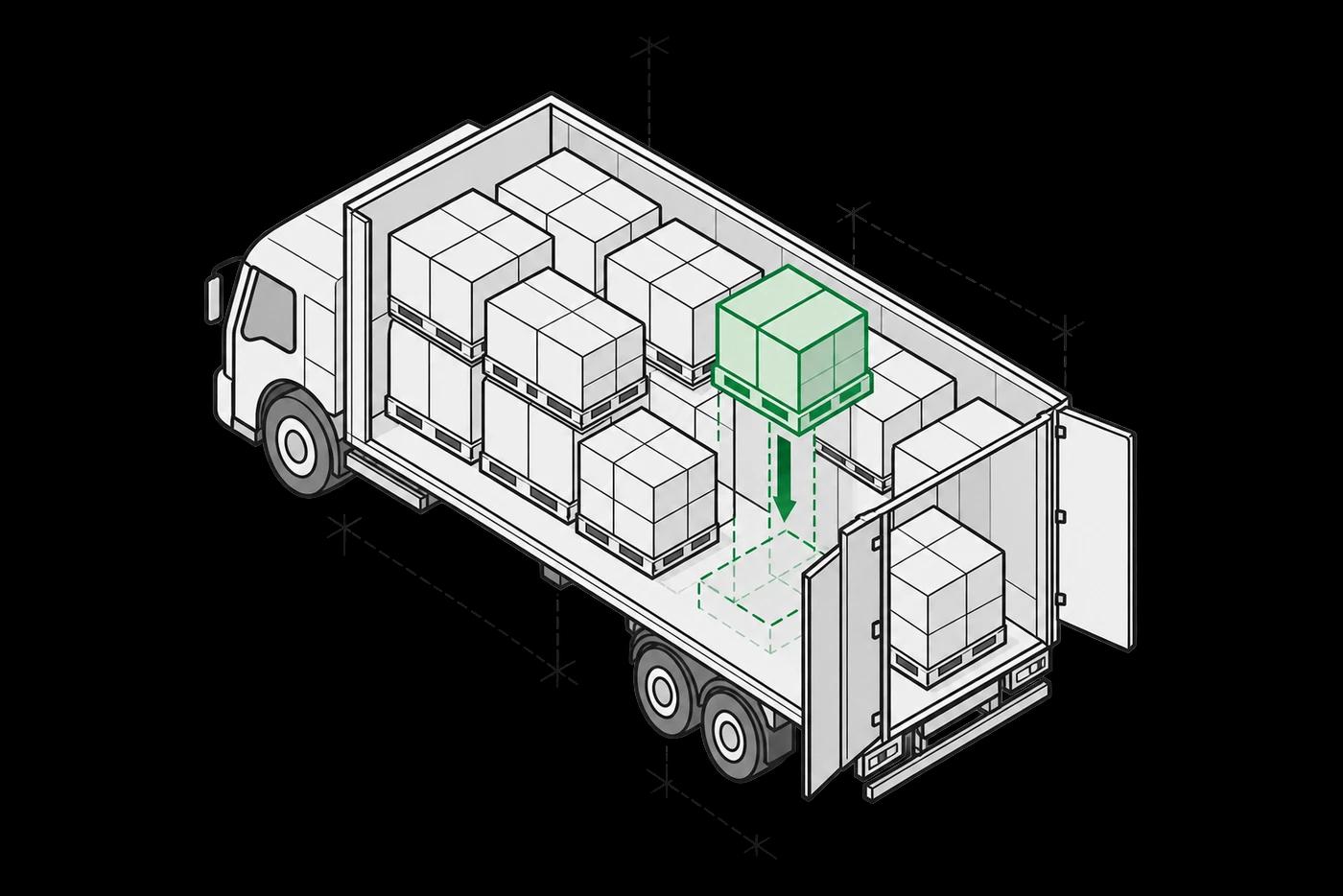
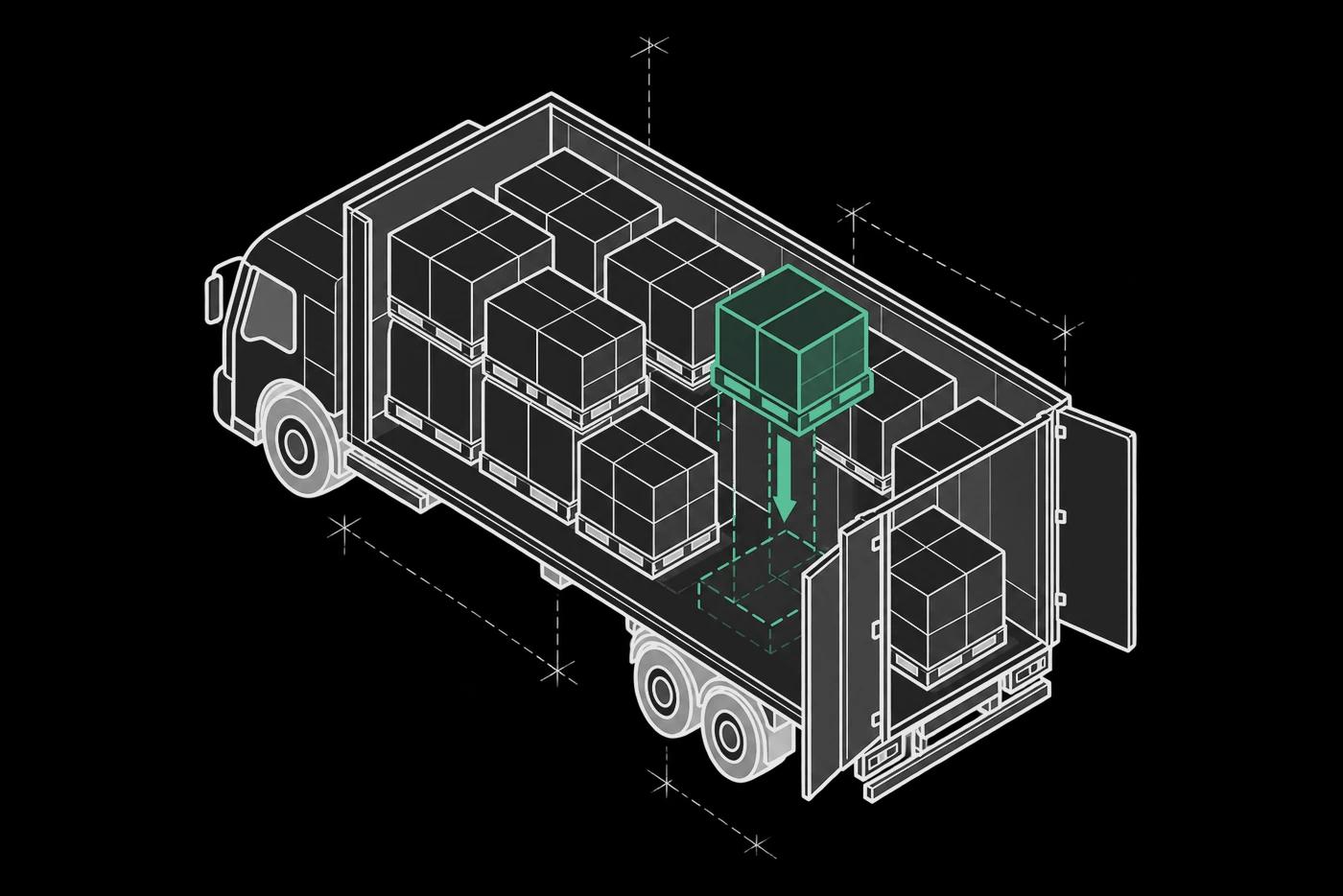
3D Load Building
Check space, weight and unloading order together.
Explore solution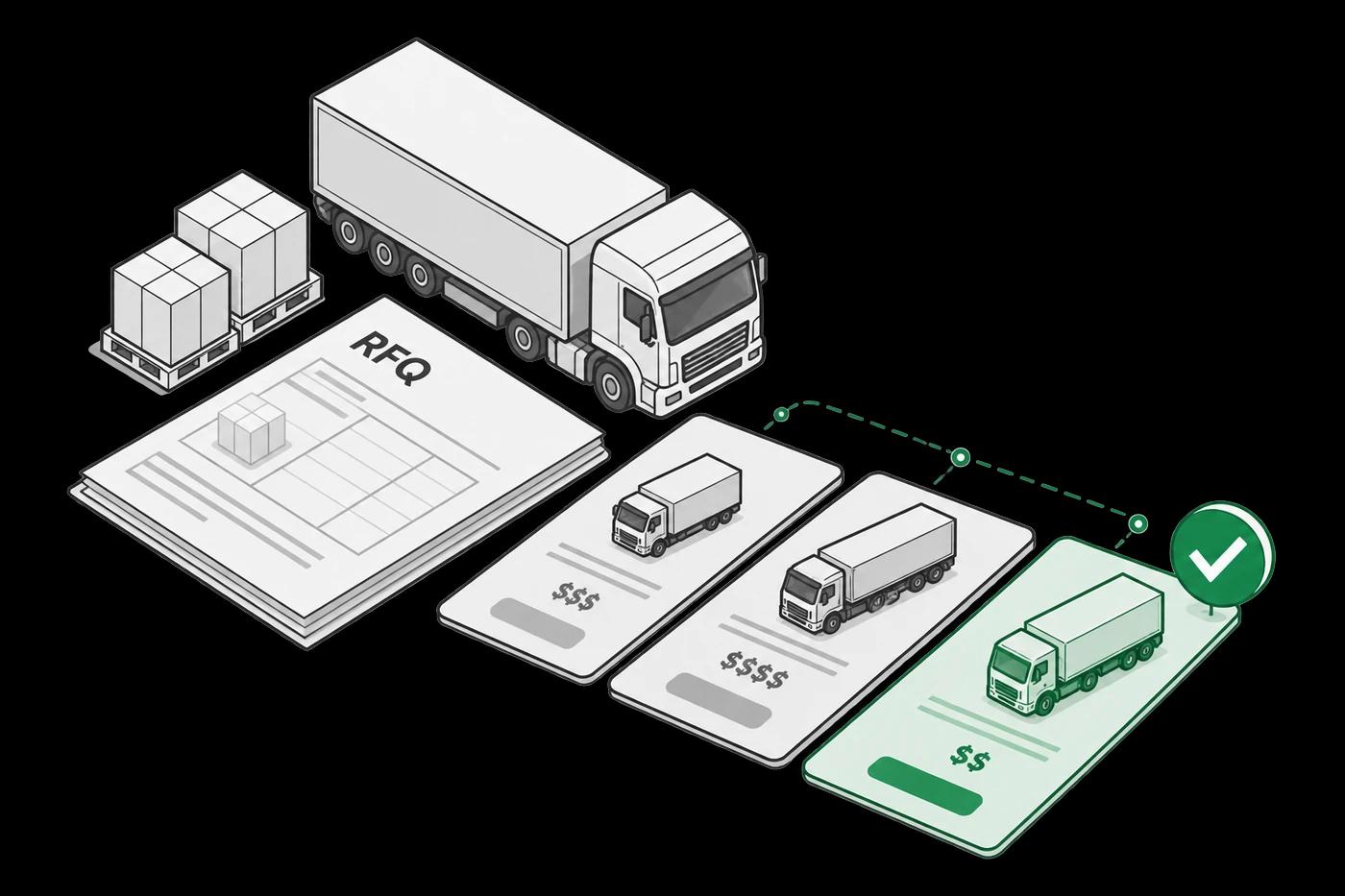
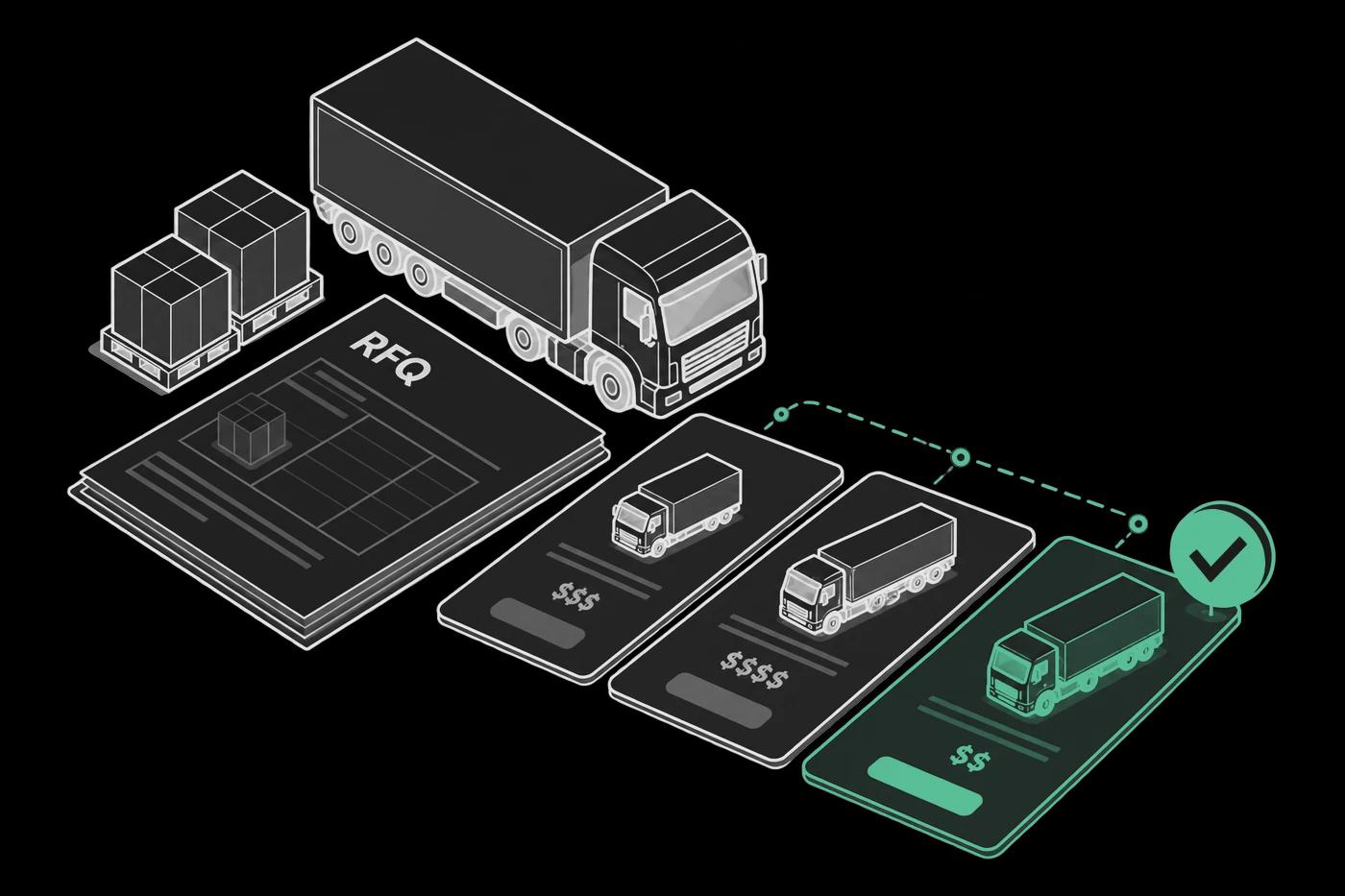
RFQ & Bidding Automation
Keep sourcing decisions and dispatch terms in the same workflow.
Explore solution
Looking for the fundamentals? What is dispatch planning and route optimization?
Build a fleet plan around your demand.
Explore fleet sizing & allocation around your data, operating rules and priorities. Tell us where you want to start.