What gets matched
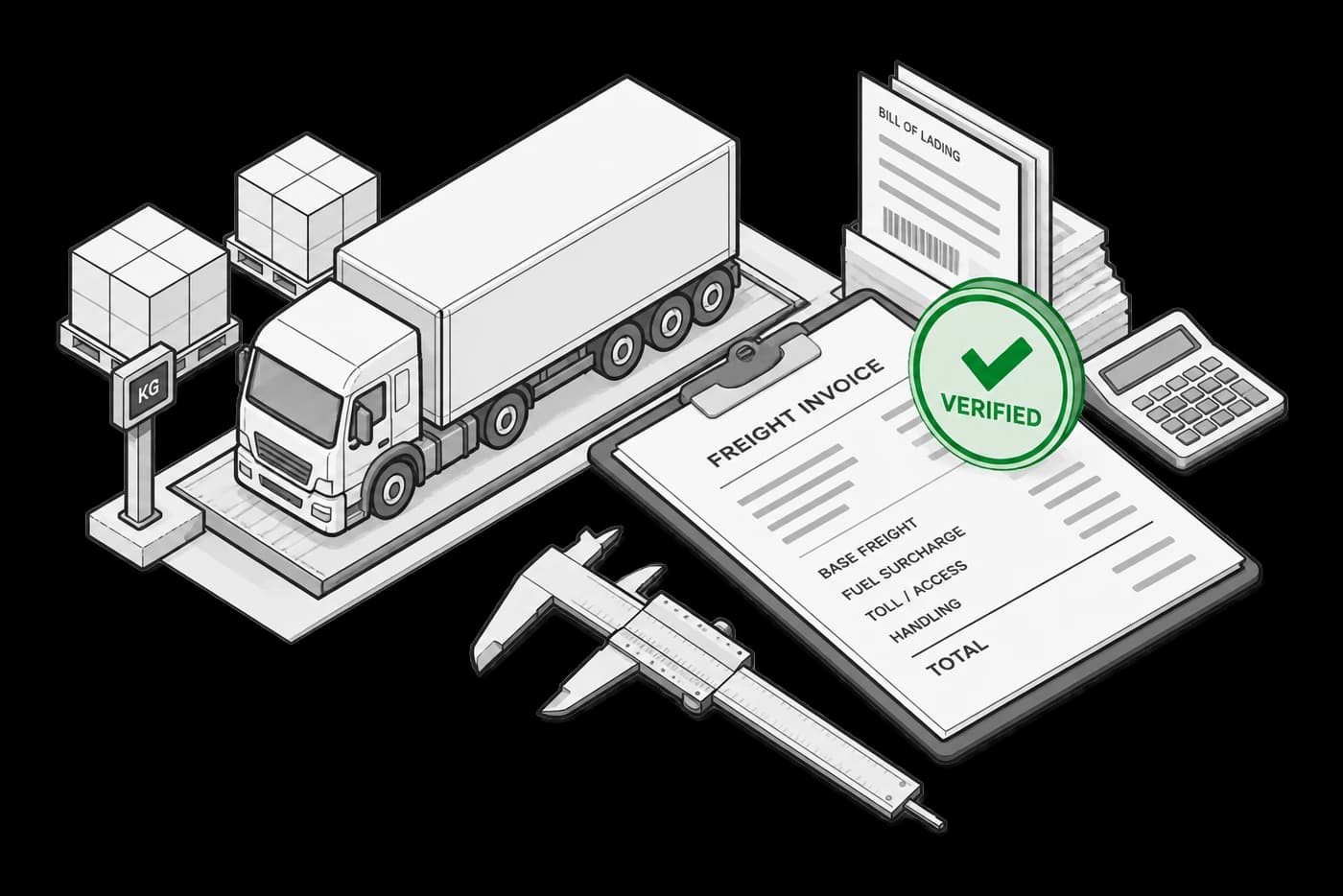
Each bill is checked against the records behind it. It closes when they agree, or when someone with the authority approves the difference.
- Contract rate. The rate for that lane, vehicle type and date, from the contract version in force on the day of the trip.
- Trip or dispatch record. The vehicle, route, load and dates on the bill match the trip that actually ran.
- Proof of delivery. A delivery record shows the goods arrived, with any shortage or damage noted.
- Diesel adjustments. Any change for fuel uses the price source and the method agreed in the contract.
- Toll adjustments. Toll charges match the toll transactions recorded for that vehicle on that trip.
- GST and TDS treatment. The invoice carries the right GST details, and TDS is deducted on payment where it applies. The treatment depends on the transporter and the arrangement, so finance confirms it.
How the process runs
A transporter submits a bill with its lorry receipt and proof of delivery. The team finds the trip, pulls the contract rate and works out what the bill should be. Any difference goes back to the transporter or to an approver.
Once the amount is agreed, the bill is posted to the ERP and paid. The record of what was changed, and why, stays with the bill.
Why it takes weeks in Excel and email
The records live in different places. The rate contract is in a spreadsheet, the trip is in a TMS or a message, the proof of delivery is on paper at a depot, and the invoice is in someone’s inbox. Each bill means bringing them together by hand.
A bill cannot close until its proof of delivery arrives, and paper arrives late. Bills then pile up into batches, weeks after delivery. A diesel price revision can change many open bills at once, so finished work gets done again. Approvals given over email leave no clear record, so the same question comes back next month.
No single step is hard. The volume and the waiting take the time.
Common freight bill disputes
Arguments over a freight bill usually come down to one of these.
- Rate. The transporter billed a different rate from the contract, often an old version or the wrong vehicle type.
- Weight. The billed weight differs from the weight on the dispatch or receiving record.
- Detention. The transporter claims waiting time at a plant or a customer, and the shipper has no timestamps to check it against.
- Shortage. The receiver noted missing or damaged goods, and the two sides disagree on the deduction.
- Unsupported charges. Loading, unloading, multi-drop or other extras appear on the bill with no document behind them.
- Duplicate bills. The same trip or invoice is billed twice, sometimes under a new invoice number.
How automation works
Software holds the rate contracts and charge rules in one place and links each bill to its trip and its proof of delivery. It works out the expected amount and compares it with the invoice.
Bills that match move on without anyone touching them. Bills that do not match go to a named person with the reason shown. Every adjustment and approval is logged, so a later question has an answer. People still decide the exceptions, such as a disputed deduction or a penalty waiver.
Freight reconciliation and freight audit
The two overlap, and many teams use the words interchangeably. Freight audit is the check: is this bill correct? Reconciliation is the wider job of making the invoice, the trip, the delivery and the payment agree, including the disputes and adjustments it takes to get there.
An audit can pass or fail a bill. Reconciliation is finished only when the difference is settled and recorded.
Enmovil
How Enmovil approaches freight reconciliation
Enmovil’s Freight Settlement module runs three stages. It confirms delivery through ePOD, API or client OTP, and validates the LR copy. It applies rate rules for IOCL/HPCL diesel revisions, FASTag toll via ULIP and configured deviation and penalty formulas. It then posts a GST-compliant invoice with TDS Section 194C applied to the ERP, and matches e-way bill records against the confirmed route and delivery.
Enmovil’s ePOD takes OTP-based delivery confirmations, GPS-matched consignment records and driver-captured photos, and produces an ERP-synced delivery record that triggers freight settlement.
Frequently asked questions
What is the difference between freight reconciliation and freight audit?
Freight audit checks whether a bill is correct against the rate, the charges and the delivery proof. Freight reconciliation is the wider process of making the invoice, the trip record, the delivery and the payment agree, including settling any dispute. Many teams use the two words for the same work.
What documents are needed for freight reconciliation?
Freight reconciliation typically uses the freight invoice, the rate contract, the lorry receipt (LR), the trip or dispatch record and the proof of delivery. Toll records, diesel price references, the e-way bill and approval records for penalties or waivers support specific charges.
What are the most common freight bill disputes?
The common freight bill disputes are wrong rates, weight differences, detention claims, shortage or damage deductions, charges with no supporting document, and duplicate bills. Many come from records that sit in different systems, so each side is looking at a different version of the trip.
How do GST and TDS fit into freight reconciliation?
GST and TDS are part of what gets checked before a bill closes. The invoice needs the right GST details, and the GST treatment depends on the transporter and the arrangement. TDS may be deducted on payment where it applies. Rules and rates change, so confirm the treatment for your business with your tax adviser.
Can freight reconciliation be automated?
Most of freight reconciliation can be automated: linking bills to trips and delivery proof, applying contract rates and adjustments, flagging differences and posting approved bills to the ERP. People still decide the exceptions, such as a disputed deduction or a penalty waiver, and the software records each decision.